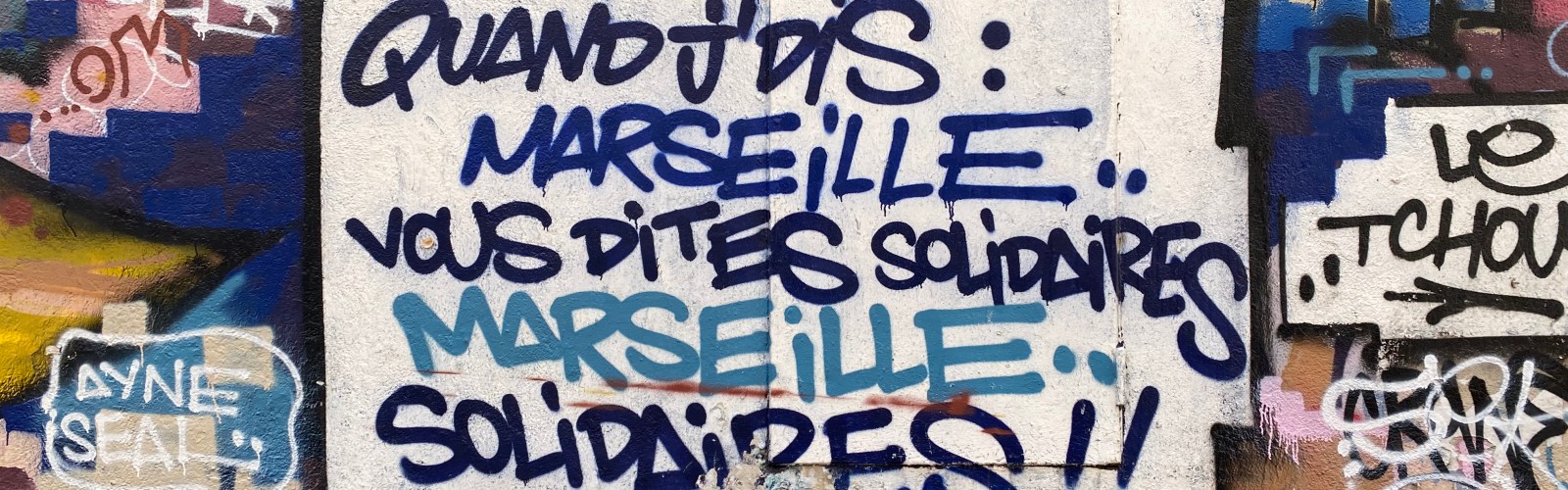
Beyond sightseeing: how visitors can help shape the future of Marseille
Marseille has always been a city in motion: a port shaped by migration, trade, struggle, and imagination. Like many beloved destinations, it now stands at a crossroads: will tourism continue to consume it, or can visitors play a role in its regeneration? The future of cities like Marseille hinges on this choice.
Sustainable travel is no longer enough
“Sustainable tourism” has become a buzzword that promises to mitigate harm, but mere reduction is inadequate. Cities grappling with housing crises, climate change, inequality, and cultural commodification require more than careful footsteps; they need active contributions. Regenerative travel asks a fundamental question: how can visitors leave a place better than they found it? In Marseille, this inquiry is deeply relevant, lived out daily in neighbourhoods where social innovators, food activists, feminist collectives, youth organisations, urban farmers, cultural workers, and entrepreneurs are reshaping the city from the ground up.
A Living Lab of reciprocity
Enter Moving Marseille: a collective dedicated to regenerative practices, acting as a living laboratory for reciprocity, engagement, and imagination. With experts like Joke Quintens, a social designer and oral historian; Alexis Steinman, a writer focused on food innovation; and Camille Chapuis, who specialises in social innovations and entrepreneurship, the collective connects local, national, and international travellers with the people and projects that are truly transforming the city. Moving Marseille is not about sightseeing; it’s about co-creating cities healthy for all.
From spectators to participants
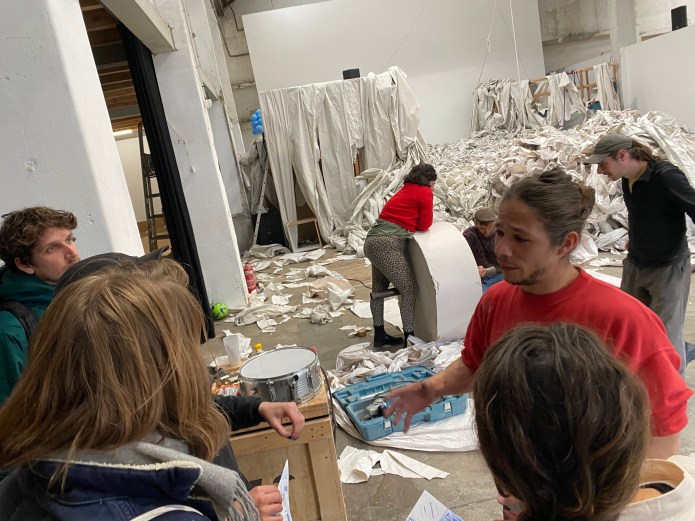
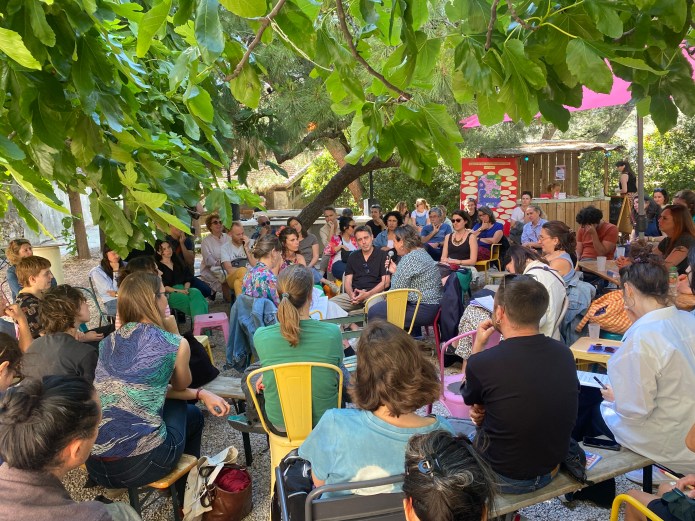
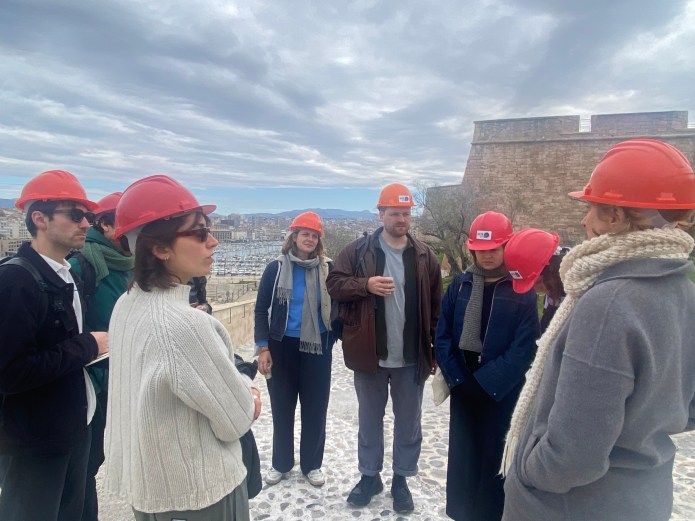
This initiative invites a diverse range of participants – including students, civil servants, urbanists, artists, entrepreneurs, and policymakers – to immerse themselves in the city’s vibrant life. They explore themes like super-diversity, social entrepreneurship, urban development, feminism, youth empowerment, urban farming, culture, and heritage. Before arrival, visitors answer two radical questions: what do you want to learn, and what can you contribute? This approach flips the traditional tourist narrative.
From consuming to contributing
Cities suffer when tourism becomes extractive: housing turns into short-term rentals, culture becomes mere souvenirs, and locals become service providers. Regenerative travel turns this dynamic on its head. Participants in Moving Marseille contribute tangibly: they support grassroots initiatives financially, share knowledge in workshops, provide creative services, participate in innovation sprints, and sometimes engage in longer-term internships or research collaborations. In return, they gain unparalleled experiences: life-changing encounters, deep cultural insights, fresh professional perspectives, and new narratives about the Mediterranean city. This exchange is reciprocal, energising both visitors and locals.
Marseille as a mirror of our time
Often misunderstood, Marseille is reduced to clichés: crime, chaos, sun, bouillabaisse, football. Yet beneath these surface-level narratives lies a fascinating laboratory of super-diversity and resilience. Its migration history serves as a living classroom for the future of European urban life, and its neighbourhood networks exemplify how solidarity can flourish under pressure. Engaging deeply with Marseille means grappling with pressing societal questions: how do we coexist across differences? How can we regenerate neighbourhoods without displacing communities? How can food, culture, and sports build social bridges? Moving Marseille treats the city as an experimental space for collaboration and imagination.
Regeneration is a two-way street
The term “moving” embodies various meanings: arriving in Marseille, navigating its streets, being emotionally engaged, and advancing the city’s progress. This philosophy is rooted in reciprocity. When visitors depart with new perspectives and local initiatives gain support and visibility, a shift occurs, not just economically, but narratively. We begin to tell stories of transformation, shared responsibility, and partnership rather than decay and consumerism.
The political and cultural urgency
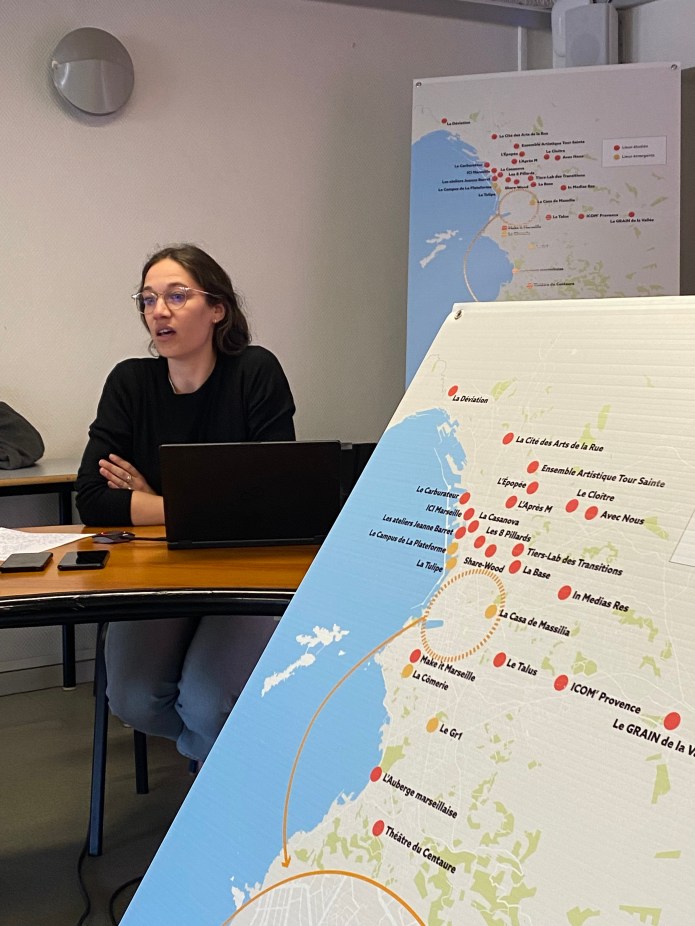
Cities like Marseille are testing grounds for the future of tourism. Will they become theme parks or thriving ecosystems? Regenerative approaches demand courage, fair financial contributions, long-term partnerships with community projects, and ethical storytelling. Moving Marseille explores cooperative models, European programs, educational partnerships, and community mapping. The aim is not to scale tourism indiscriminately but to amplify meaning, for the true wealth of a city lies not in its monuments but in its people and their projects.
A city that changes you
Those who truly engage with Marseille will return home transformed, seeing the world through a new lens. When visitors become contributors, they carry the essence of the city with them, becoming ambassadors for a different model of travel. They influence policy, education, business, and culture in their own communities. This regenerative ethos extends outward, allowing Marseille to evolve into a city of connection, resilience, and transformation, not just by attracting millions of visitors but by inviting them to participate. The future of popular cities will not be determined by the number of visitors but by the depth of their engagement and willingness to give back. Moving Marseille is an invitation to move differently.
———
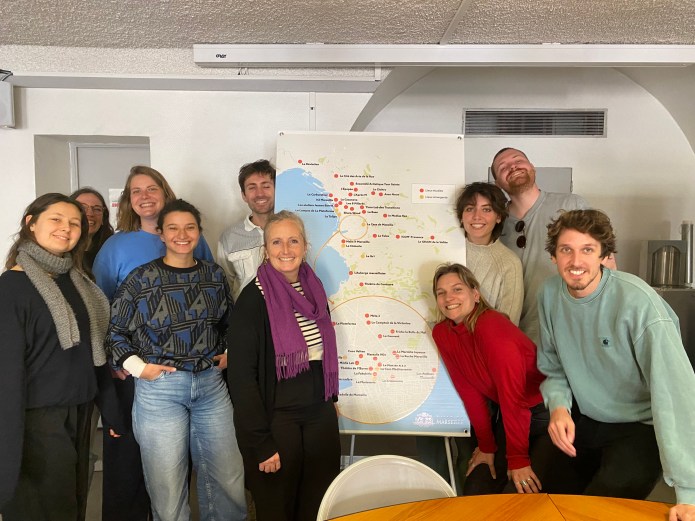
The Moving Marseille collective is already making significant strides in fostering regenerative practices across the city. For over a decade, Joke has led immersive urban field trips through Marseille’s vibrant third places, working closely with local partners to explore themes ranging from super-diversity and social entrepreneurship to poverty reduction, culture and tourism, youth engagement, housing, urban farming, food culture, feminism, sports, heritage, and the transformative power of neighbourhoods. Through her work with Wetopia, she focuses on the potential of place with Marseille as a living laboratory, and on creating a renewed sense of “us” that connects visitors and locals in meaningful exchange. Camille has organised several Erasmus+ Mobility programs in collaboration with Marseille Solutions, facilitating cross-cultural encounters that strengthen both participants and host communities. She also developed the map ‘À Jamais Collective’ to discover Marseille differently. Alexis, as a food and travel writer and head of Culinary Backstreets, shapes international narratives about Marseille and the South of France through her contributions to publications such as The New York Times and The Guardian. The collective also initiated the EUtopia project, collaborating with partners in Naples and Barcelona to explore regenerative tourism practices across the Mediterranean, while joint projects with À Nous les Toits have advanced innovative rooftop research in Marseille and Tunis. Supported by a dense and trusted local network, the collective operates in a complementary and interconnected way, reinforcing community bonds and amplifying impact across diverse initiatives.
Looking ahead, the collective’s trajectory remains open and imaginative. Among the ideas taking shape are a city map created by youth for young travellers, and a new Erasmus project, linking Marseille with Athens, Naples, and Barcelona to redefine tourism as a practice of care and reciprocity. A forthcoming “10 Years in Marseille” book may reflect on a decade of experimentation and learning, while workshops designed for inhabitants, visitors, and tourists aim to cultivate shared responsibility and deeper dialogue. Potential collaborations with Colorbüs and MSC Cruises could channel tourism flows toward more equitable local benefits, directing change where it is needed most. Ultimately, the collective envisions creating a Third Place for hospitality, an alternative meeting ground for visitors, where exchange, reflection, and regeneration become the foundation for experiencing Marseille.

 Wetopia