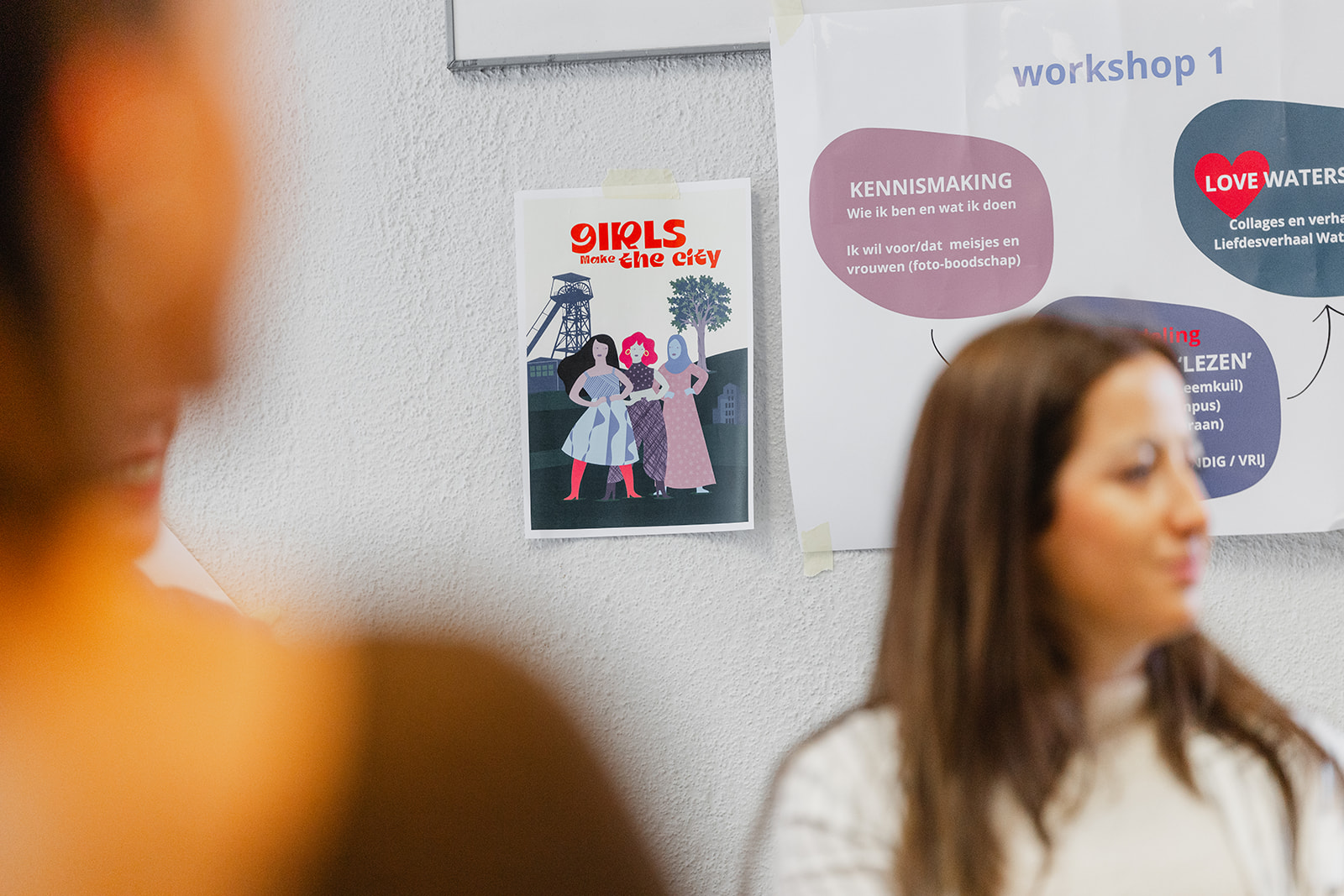
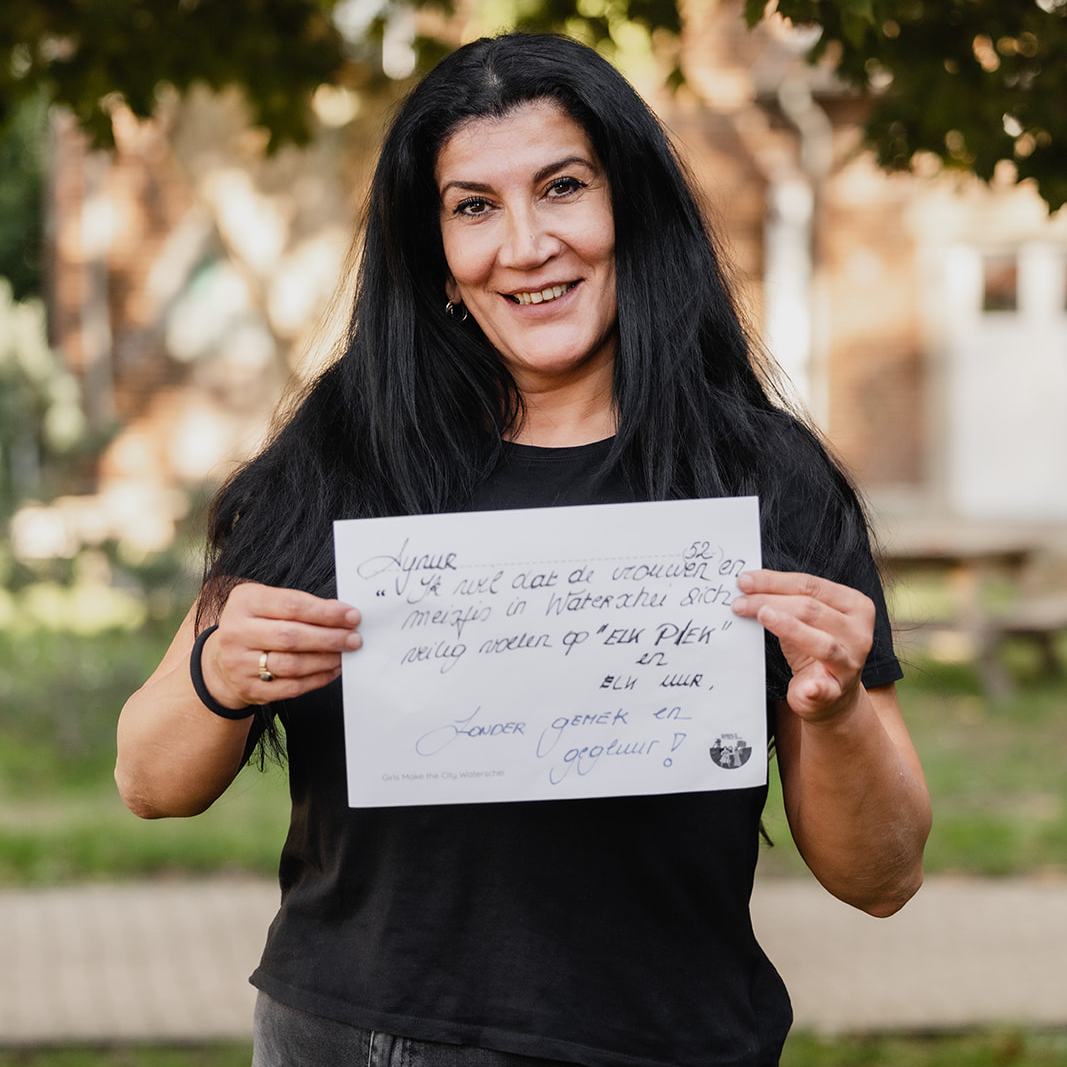
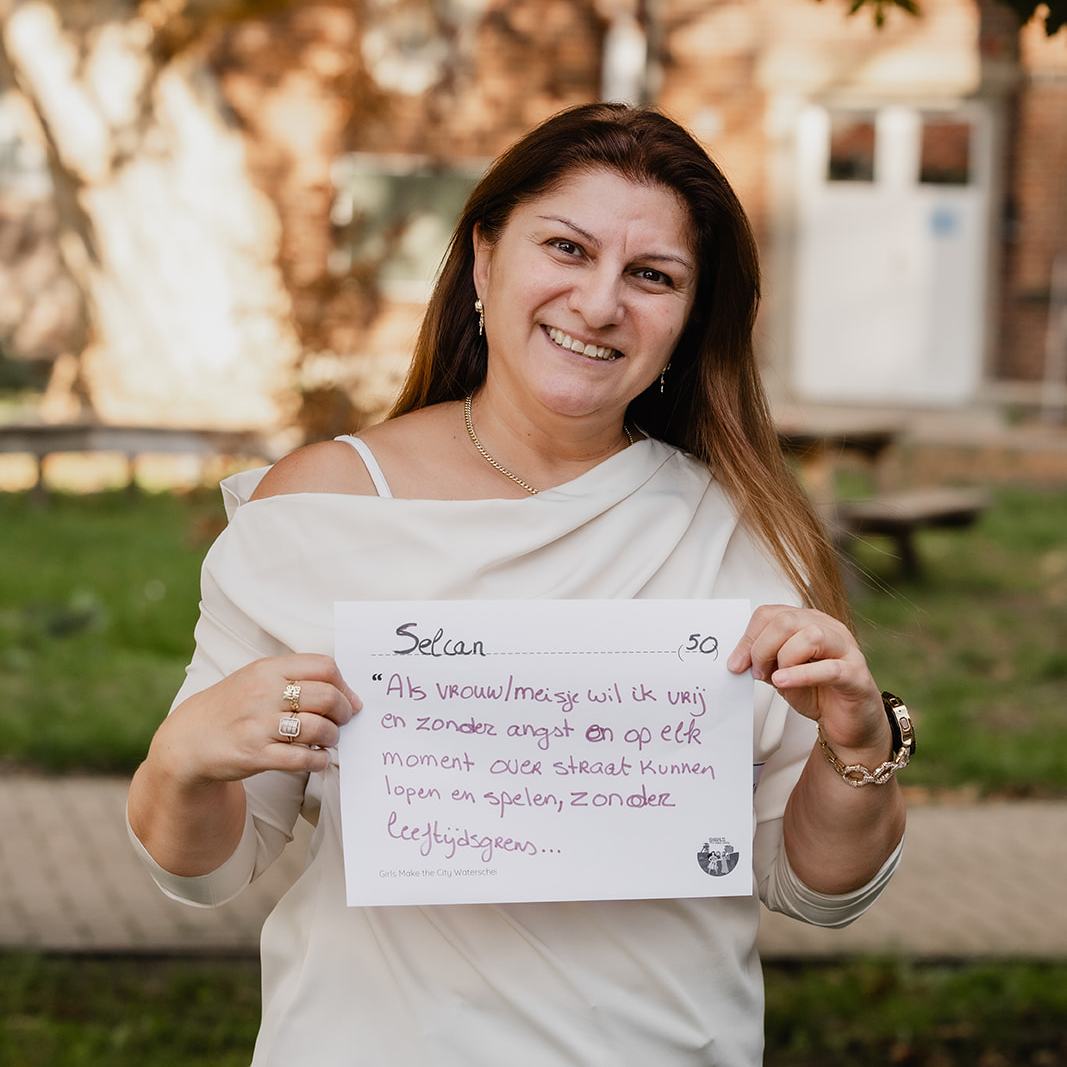
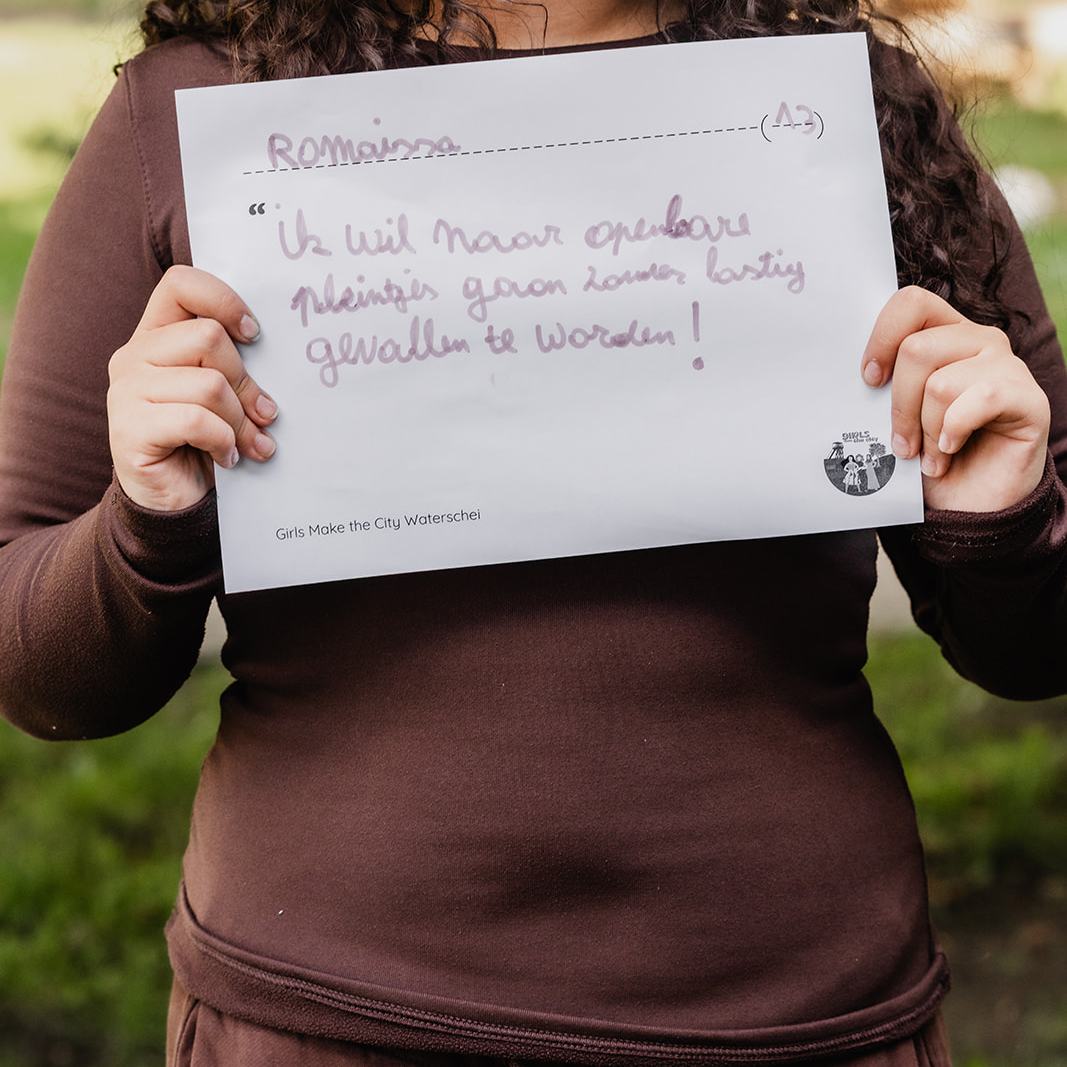
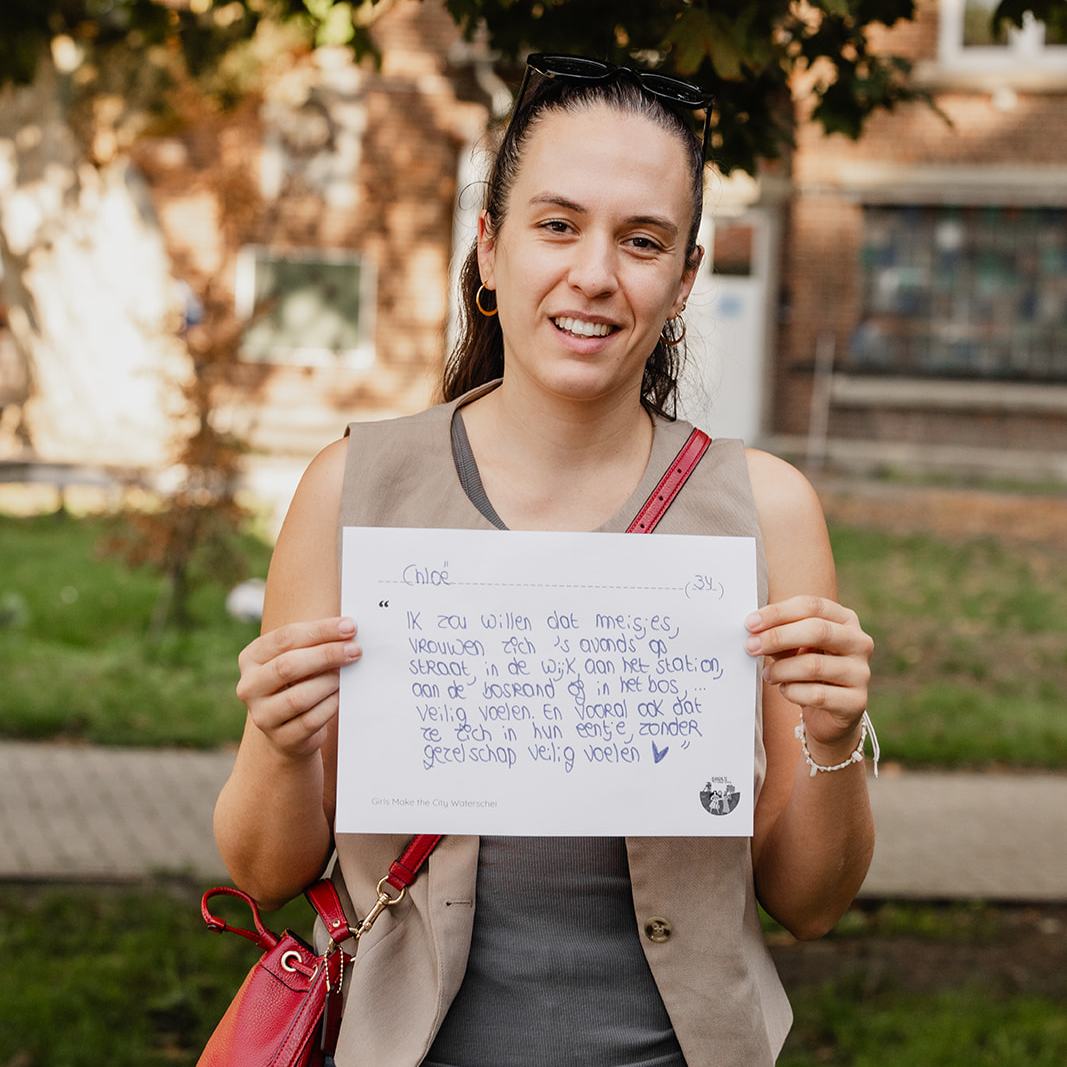
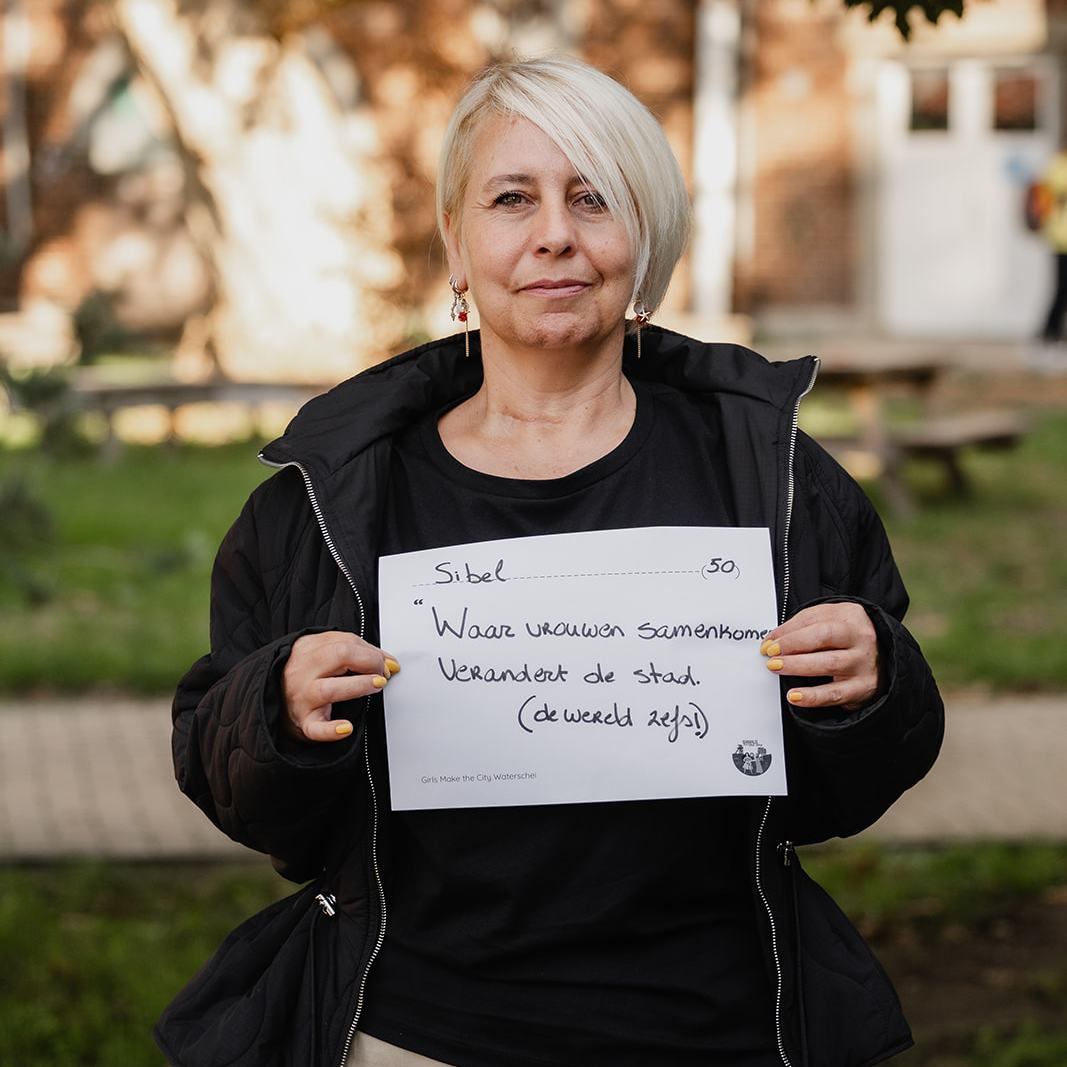
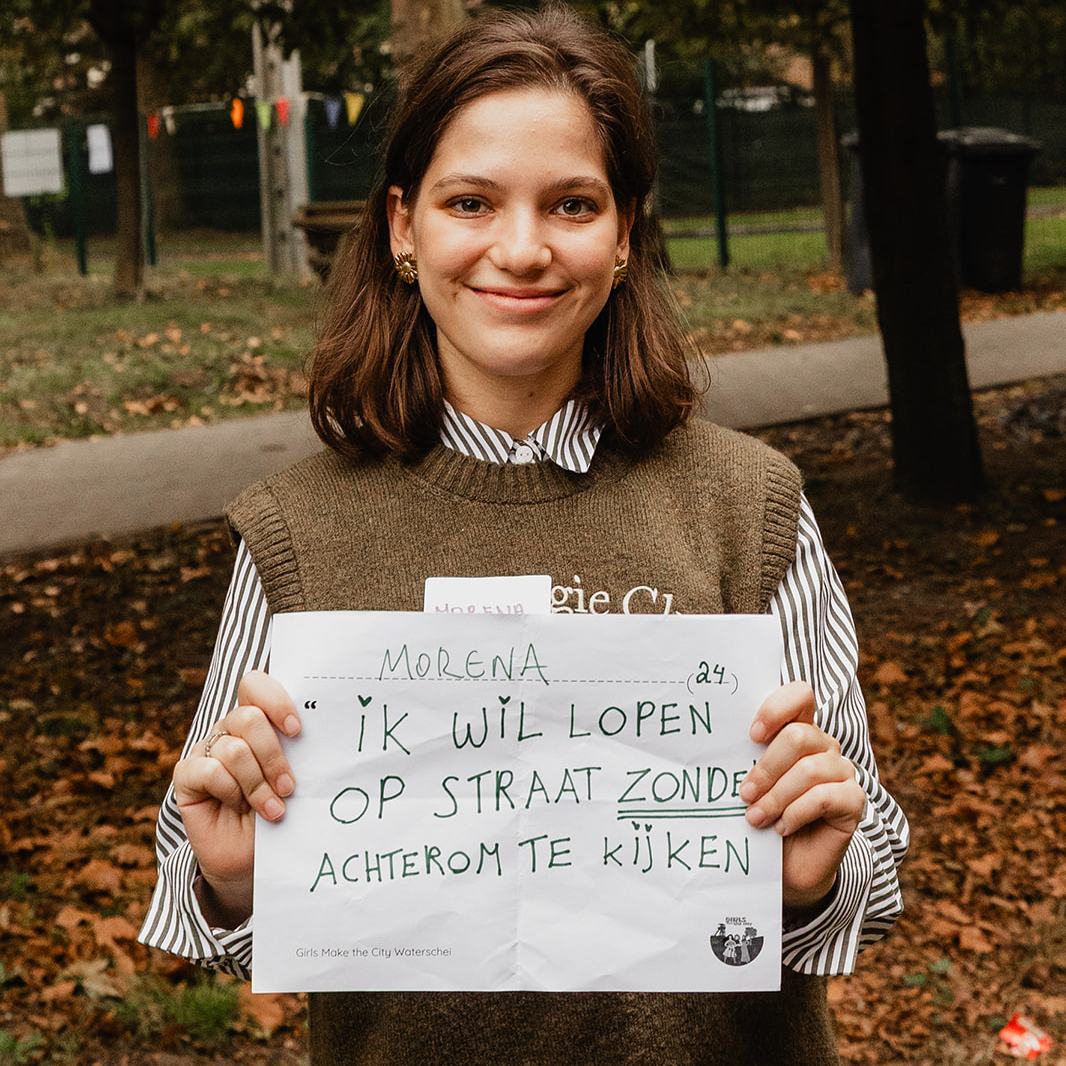
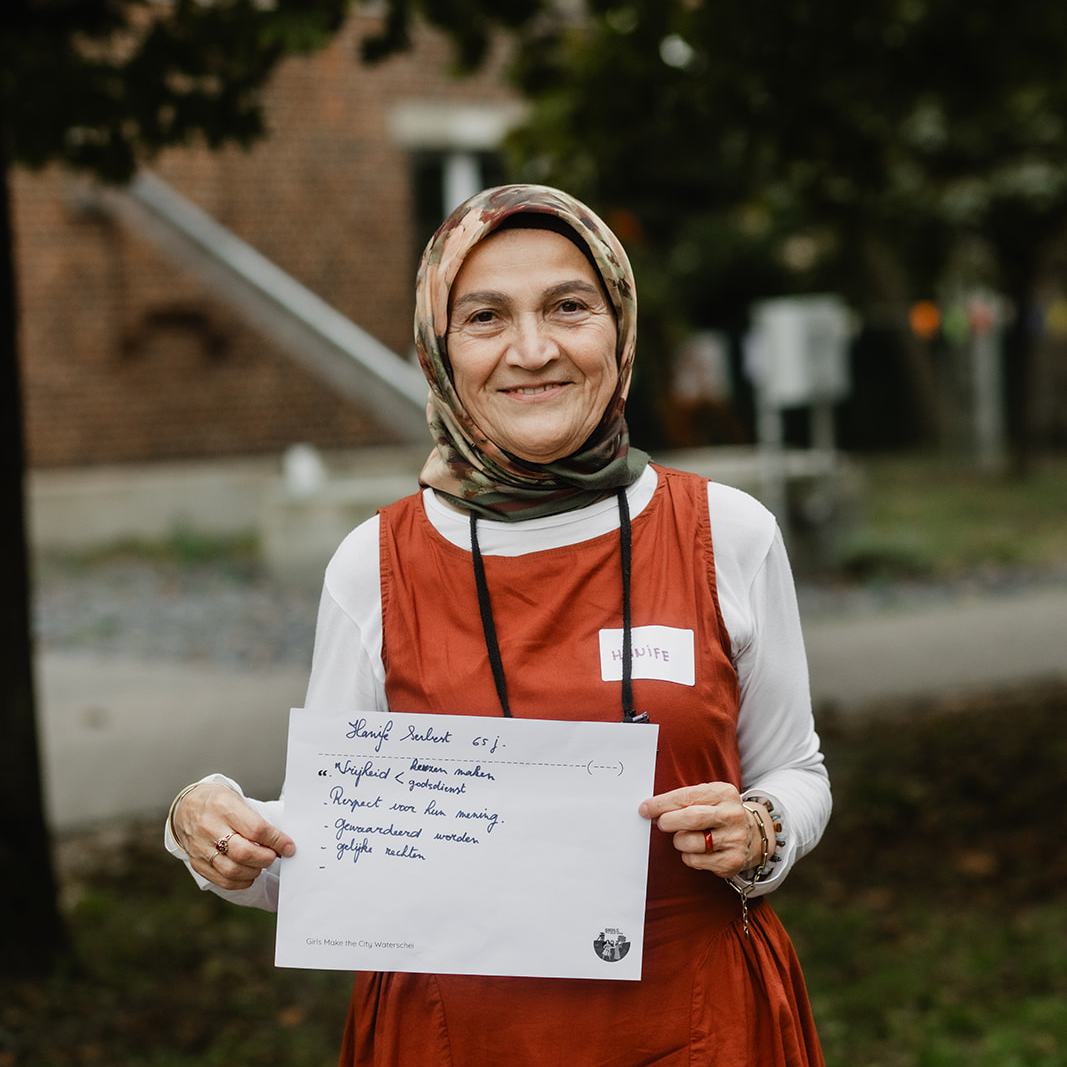
Six editions of Girls Make the City, and what place taught us.
Places that are labelled as problems rarely get the chance to show what they hold. Neighbourhoods are described from the outside by what is missing, what feels unsafe or what needs fixing, and the people who live there often learn to see them the same way.
Girls Make the City begins somewhere else: with the potential and the power of place of the neighbourhoods where we work.
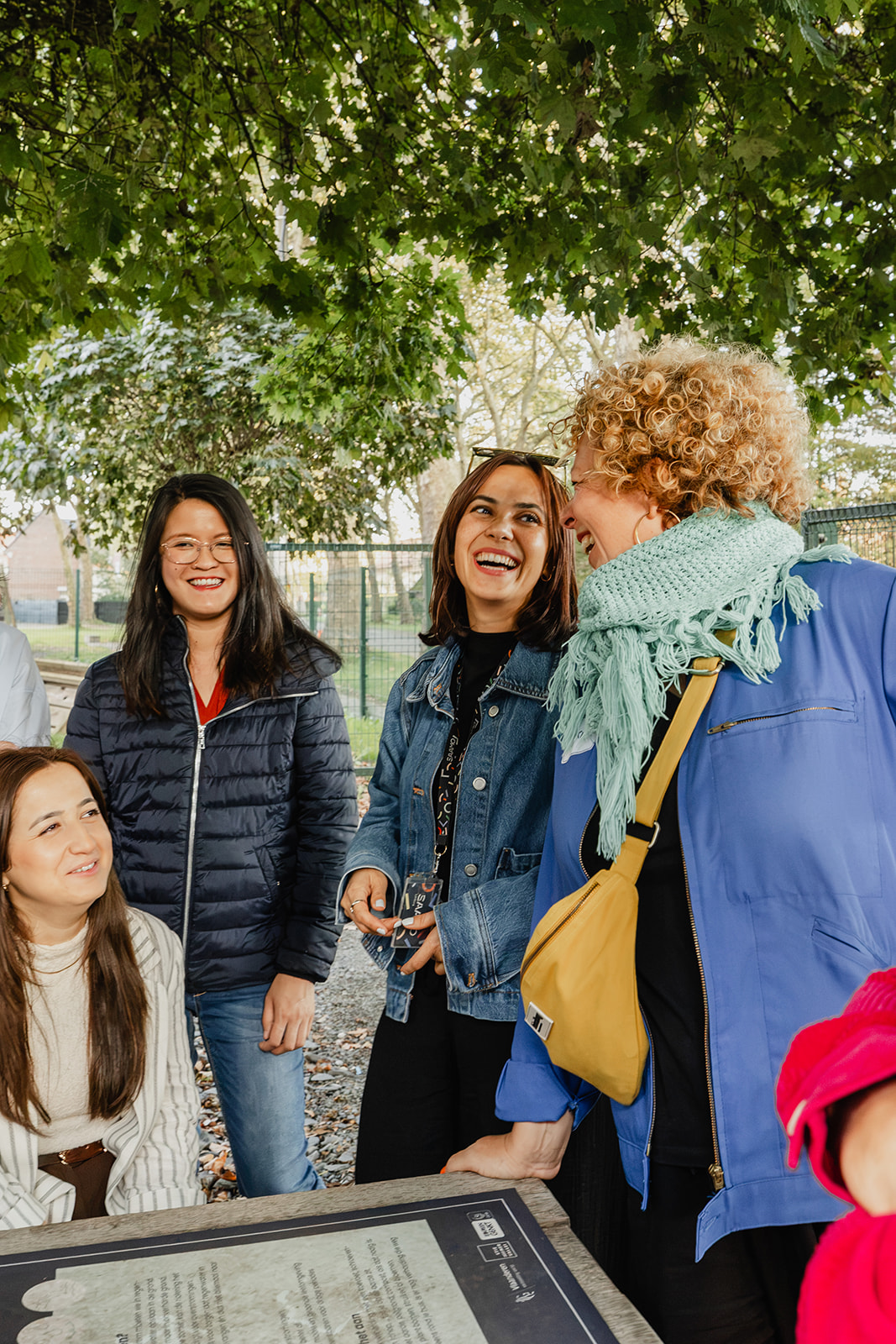
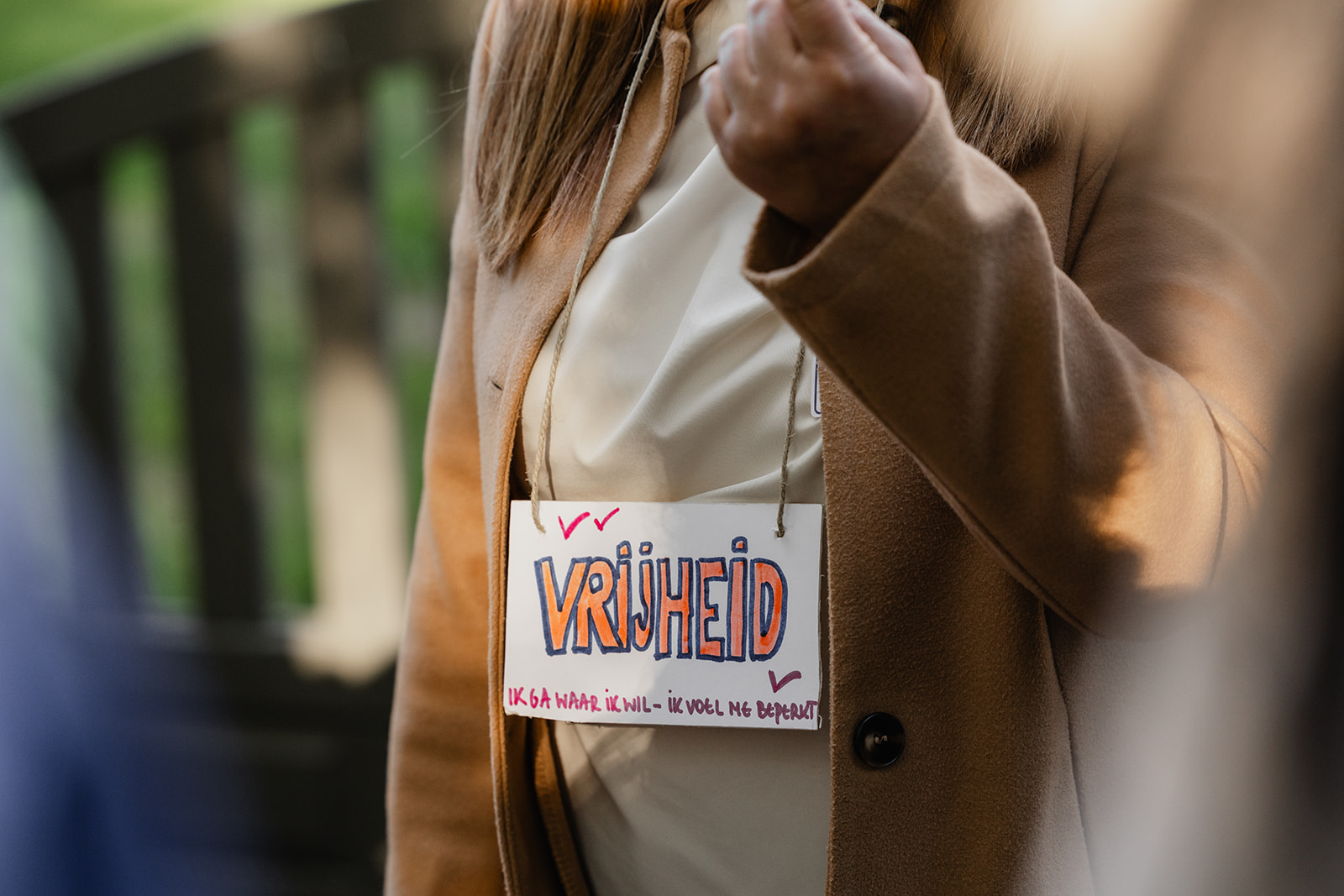
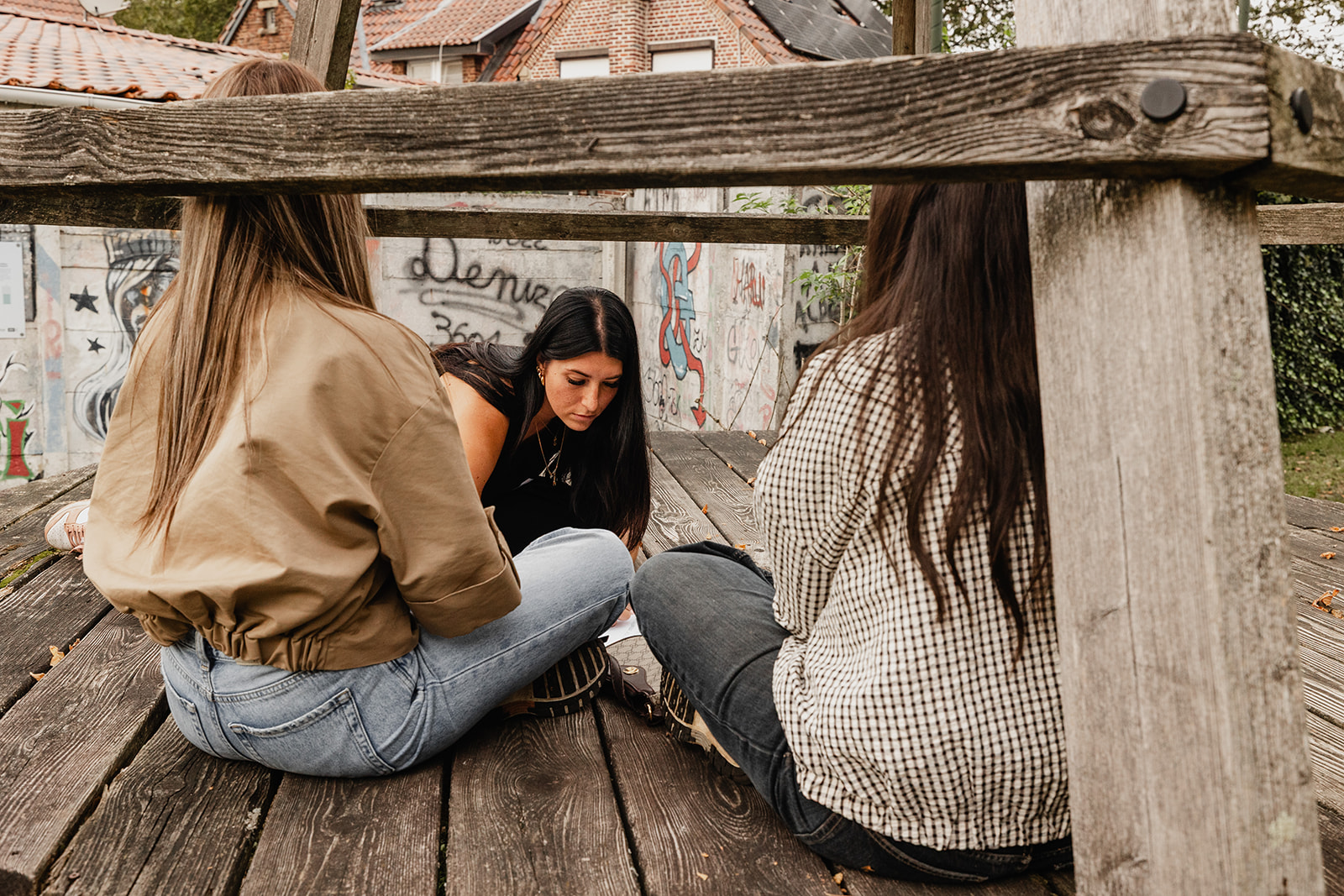
Over six editions, in six places, we have supported 125 women and girls in developing their thinking. They differ widely in background, age and life experience, and in their experiences of insecurity and unfreedom in public space. What they share is that they know their place, because they grew up there, live there or cross it every day. Our approach, rooted in regenerative development, asks them to look at that familiar ground with fresh eyes: not only at what is wrong, but at what can be, and at the capacity and capability to bring it about.
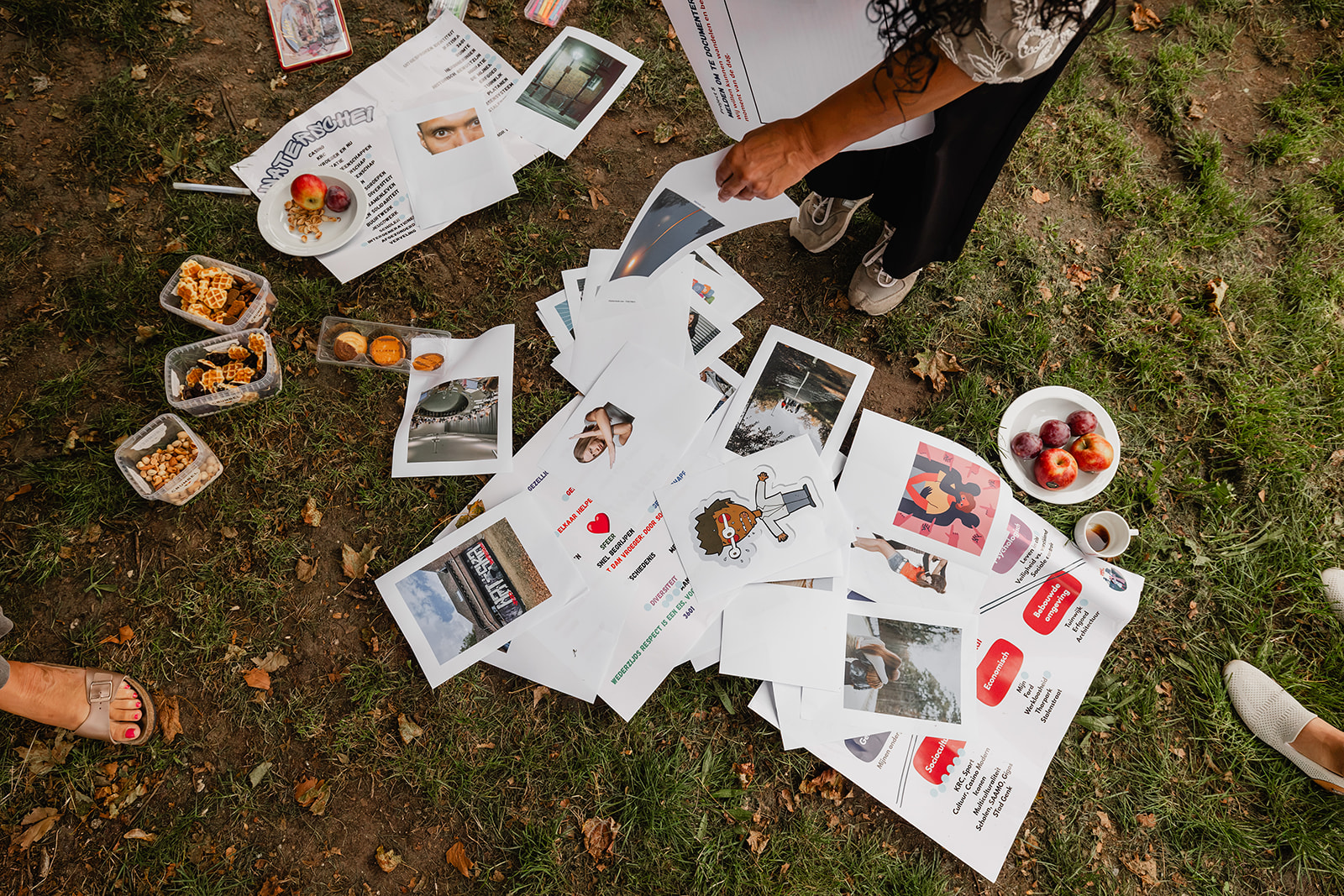
In the Marollen, the central position, where so many worlds pass through the heart of Brussels, became a starting point. In Molenbeek, the vast open space of Park West carried enormous potential in itself. In Langa and Athlone in Cape Town, the history of apartheid and the resilience that grew out of hardship turned memories into possibilities. In Ostend’s Leopoldpark, cultural expression and the famous gossip row offered a way in. And there is no Waterschei without çatkapı, the custom of dropping in on one another, or without its history of energy and technology.
Each place carries its own story, and each story offers a different starting point for women to claim space in public life.
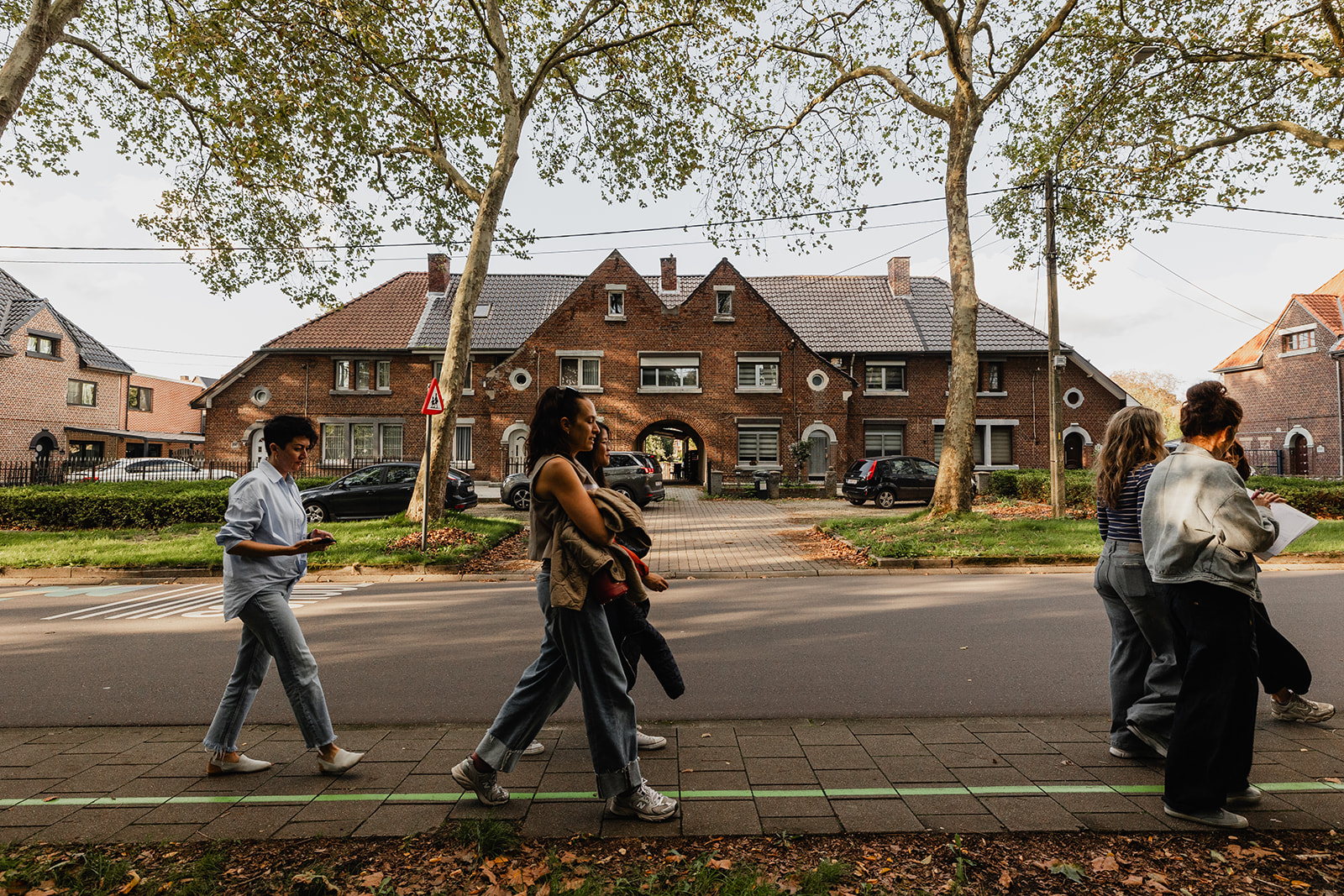
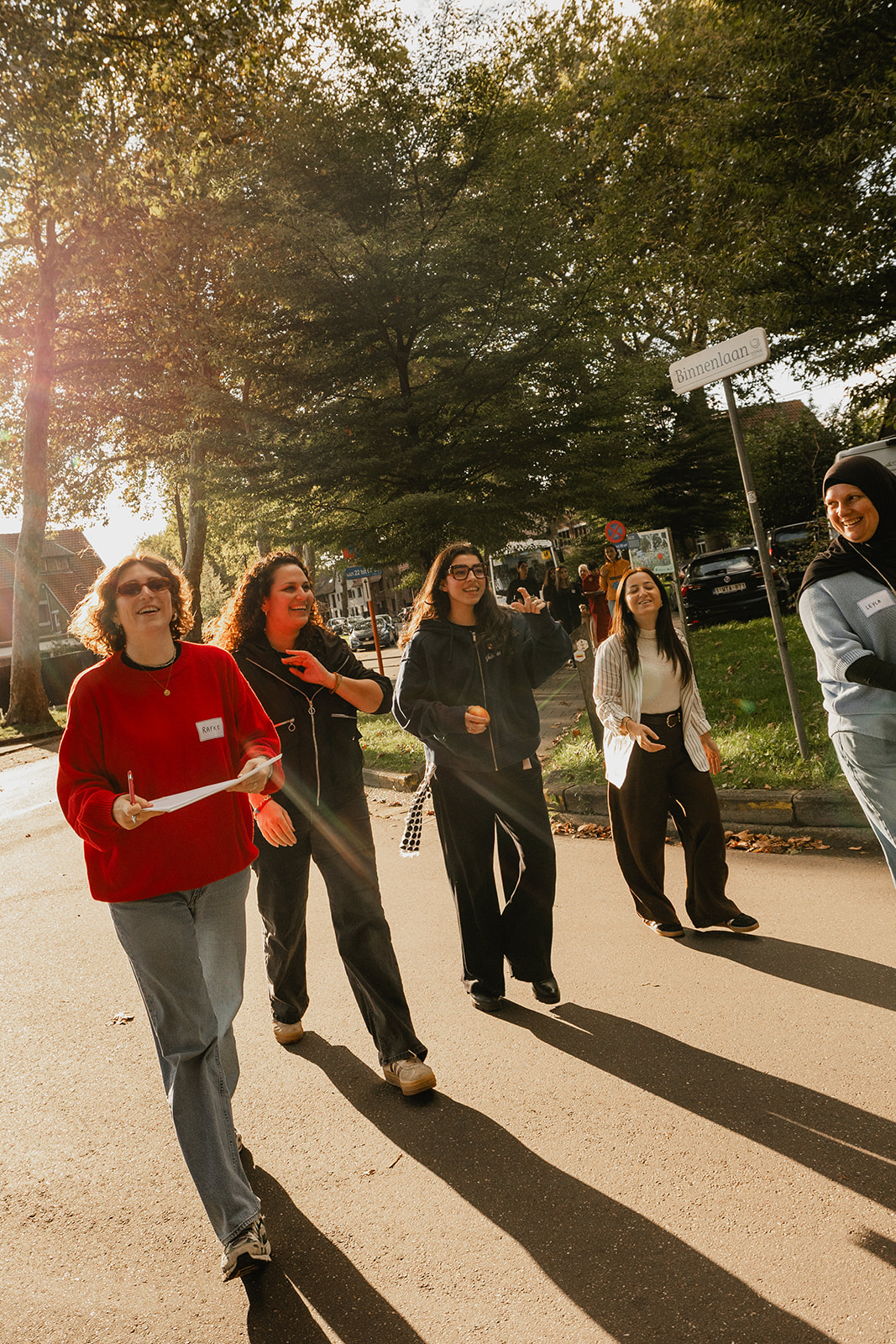
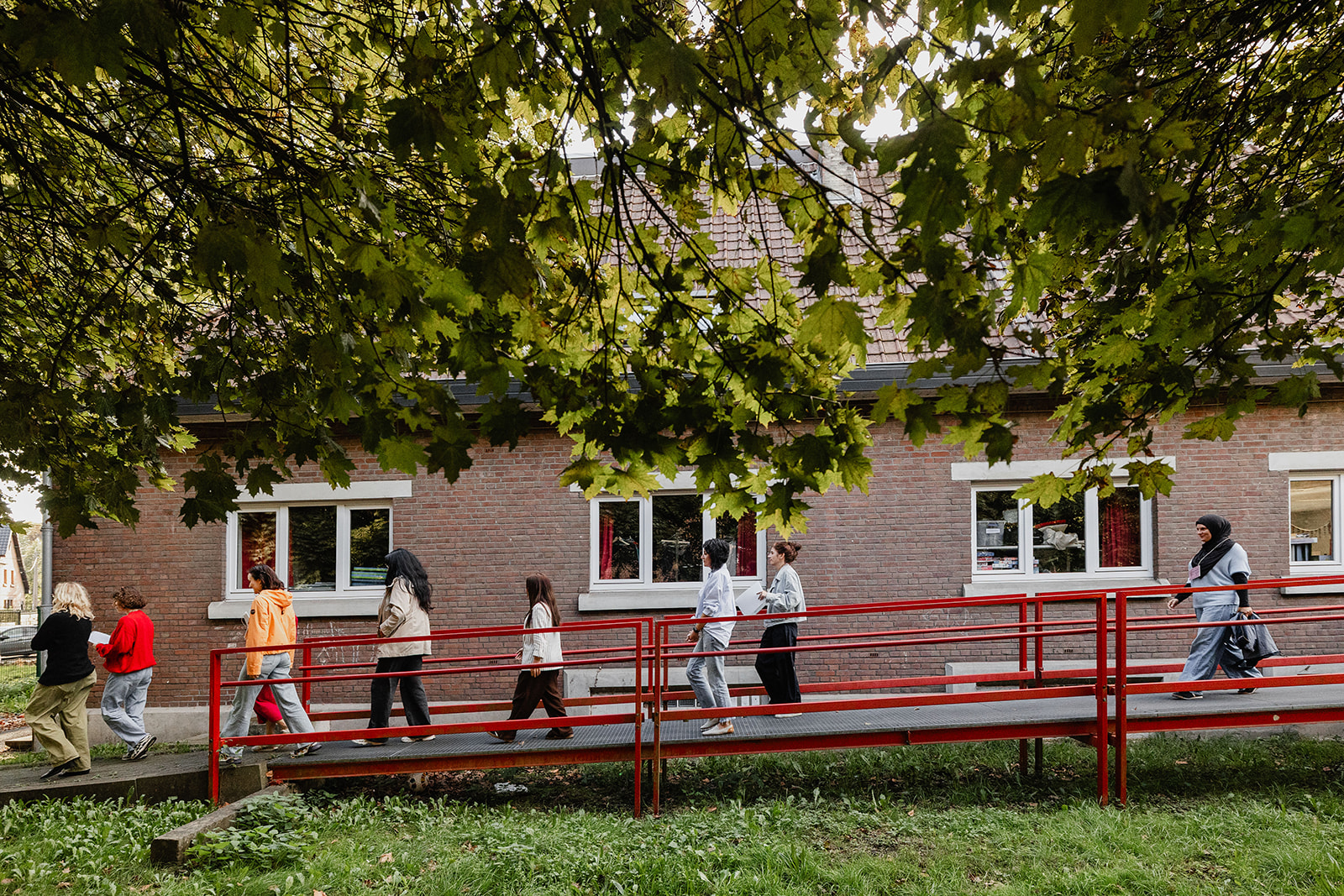
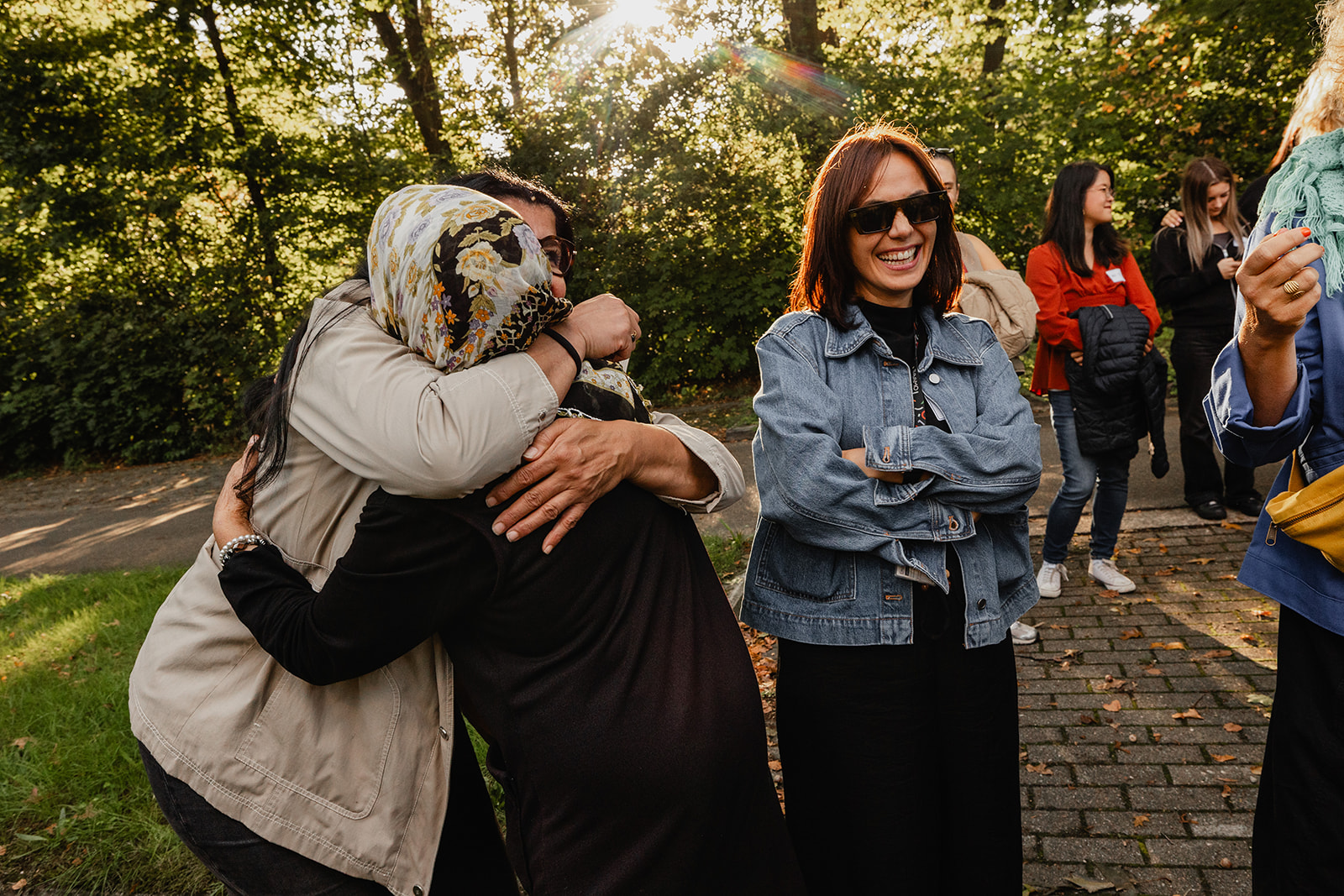
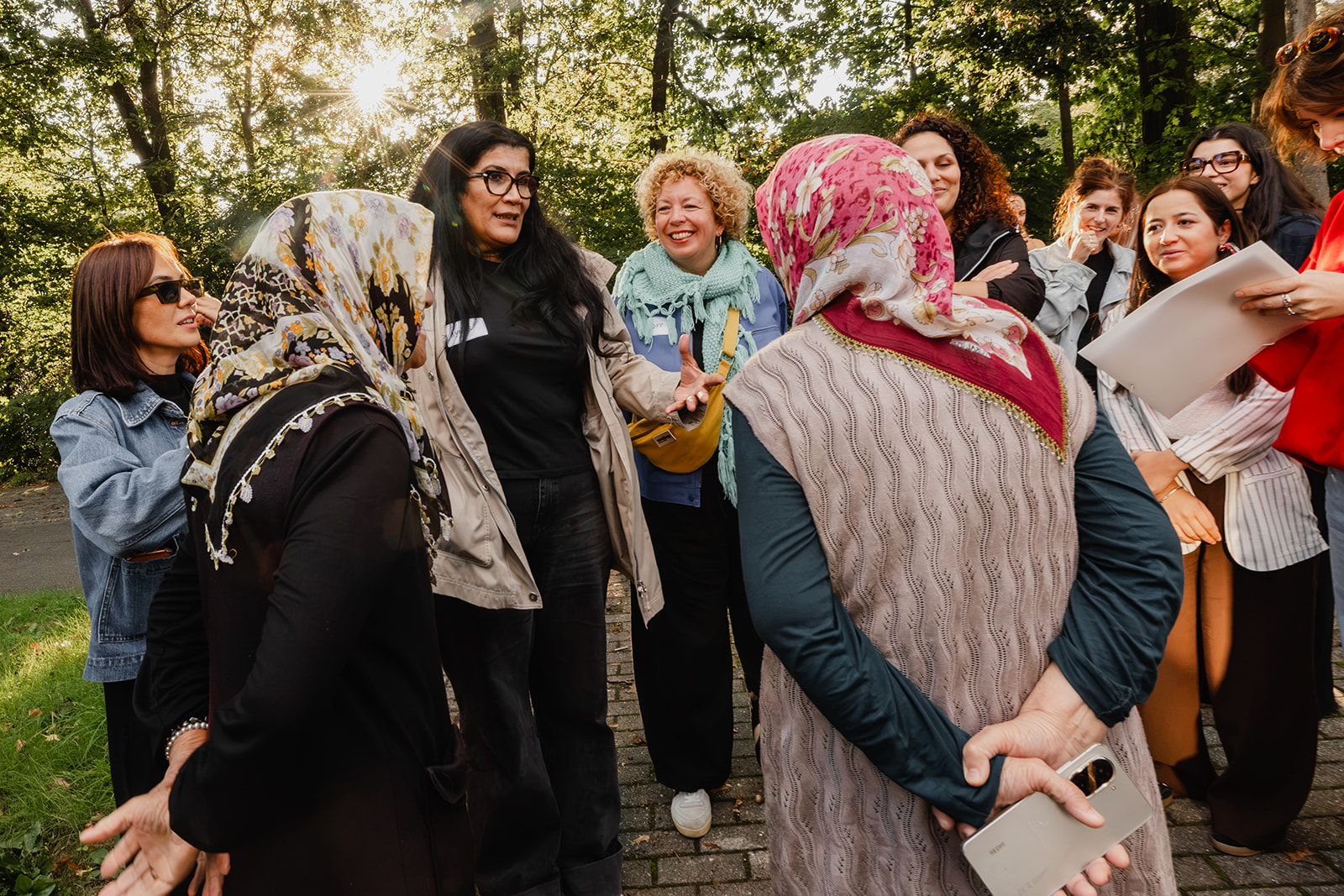
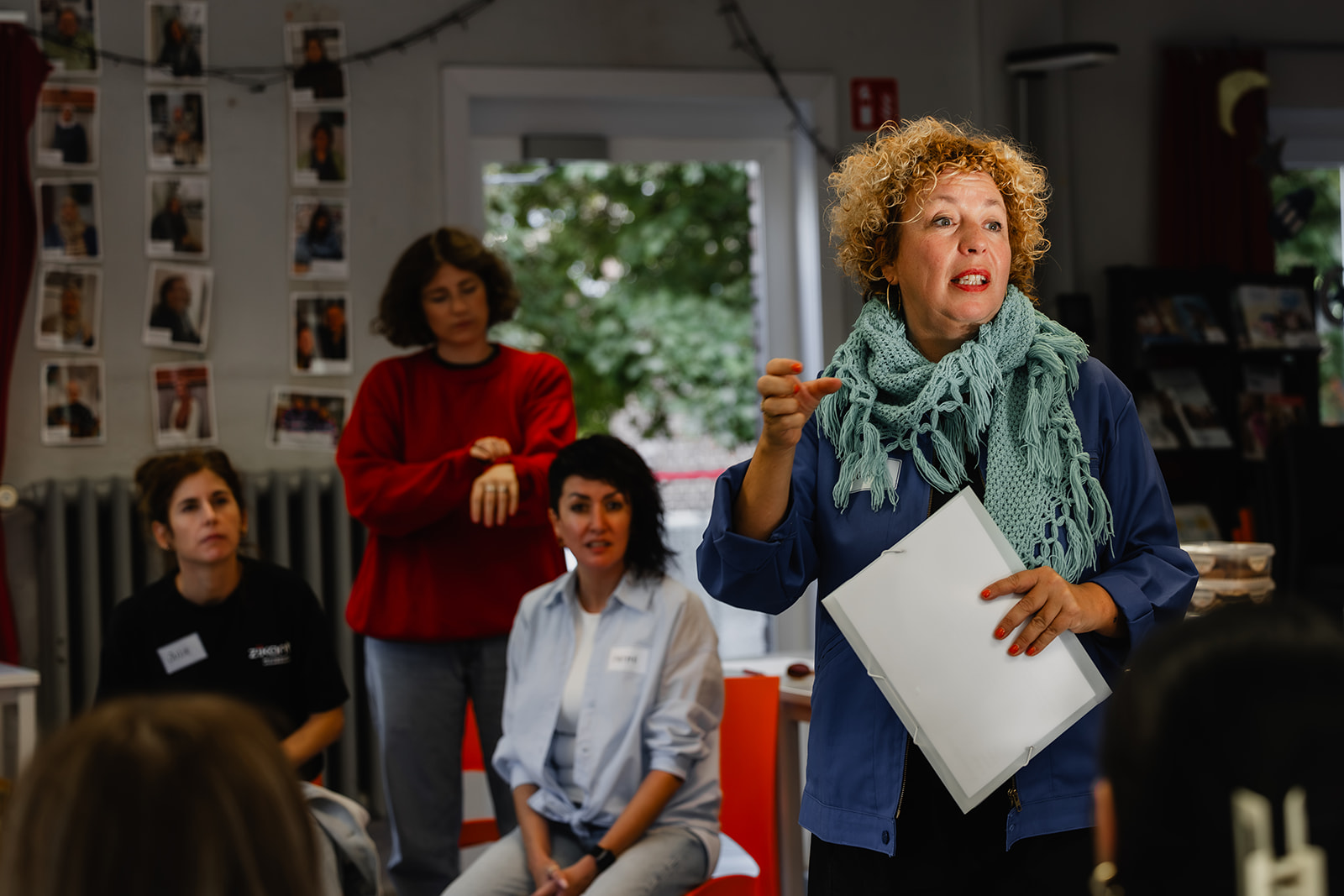
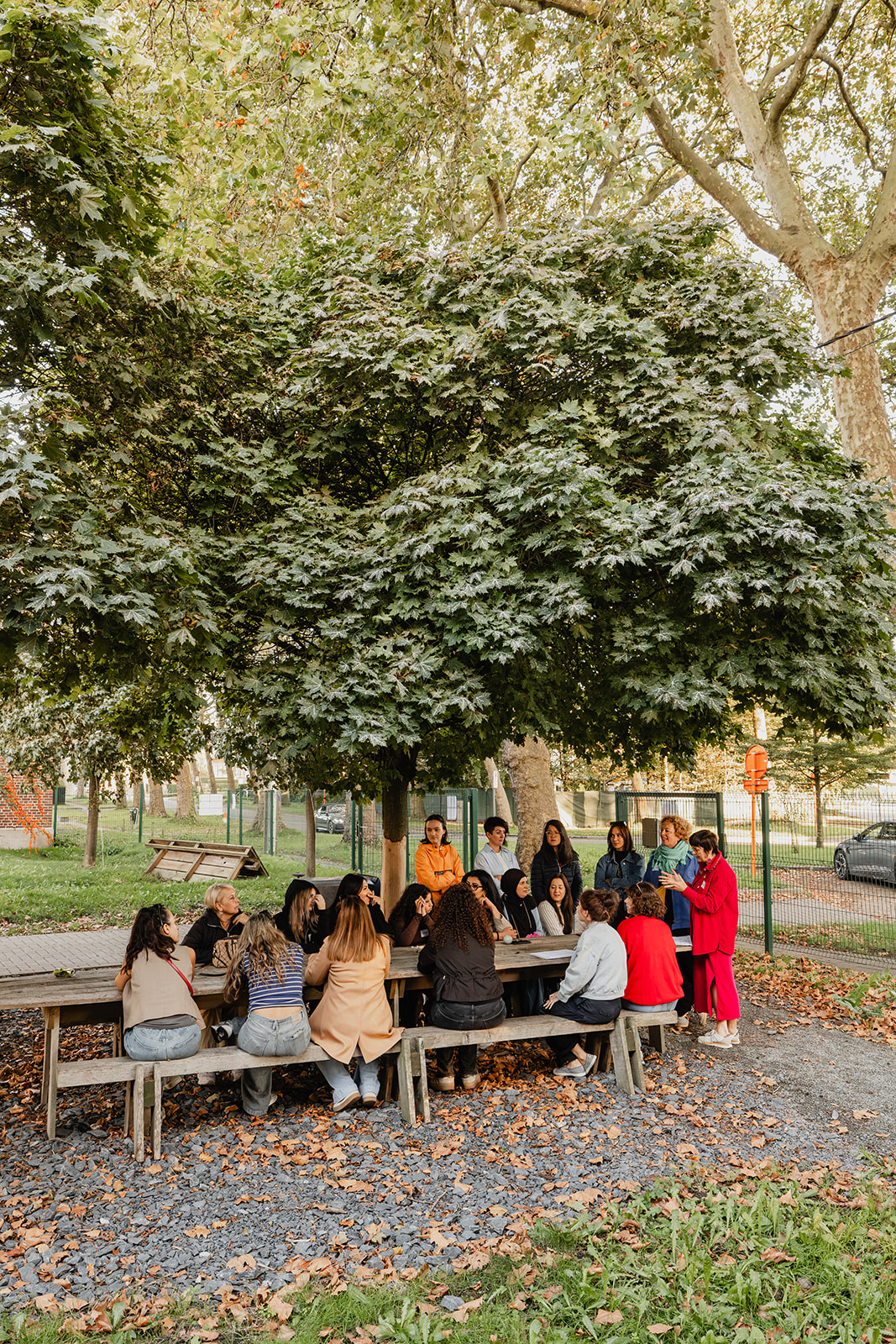
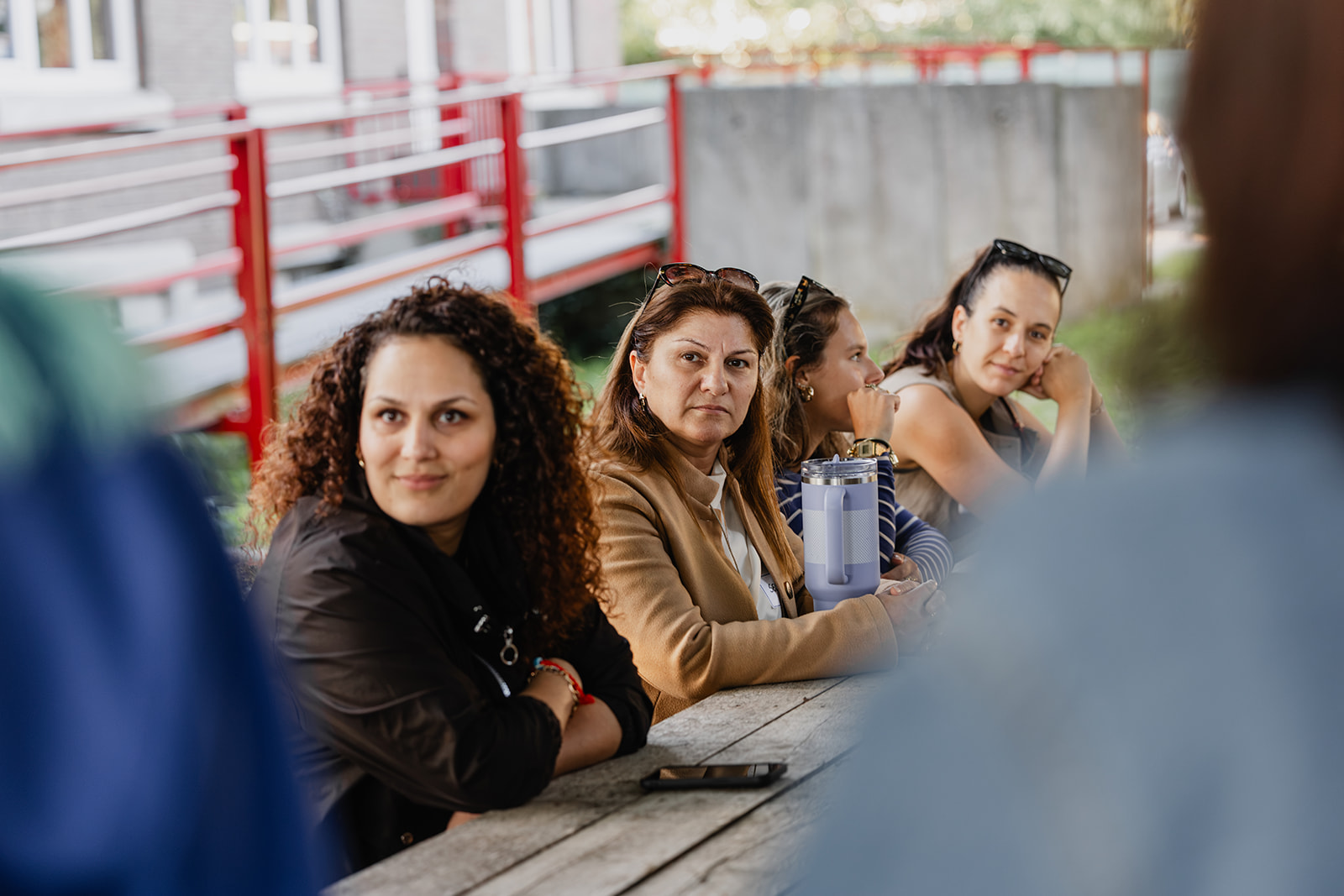
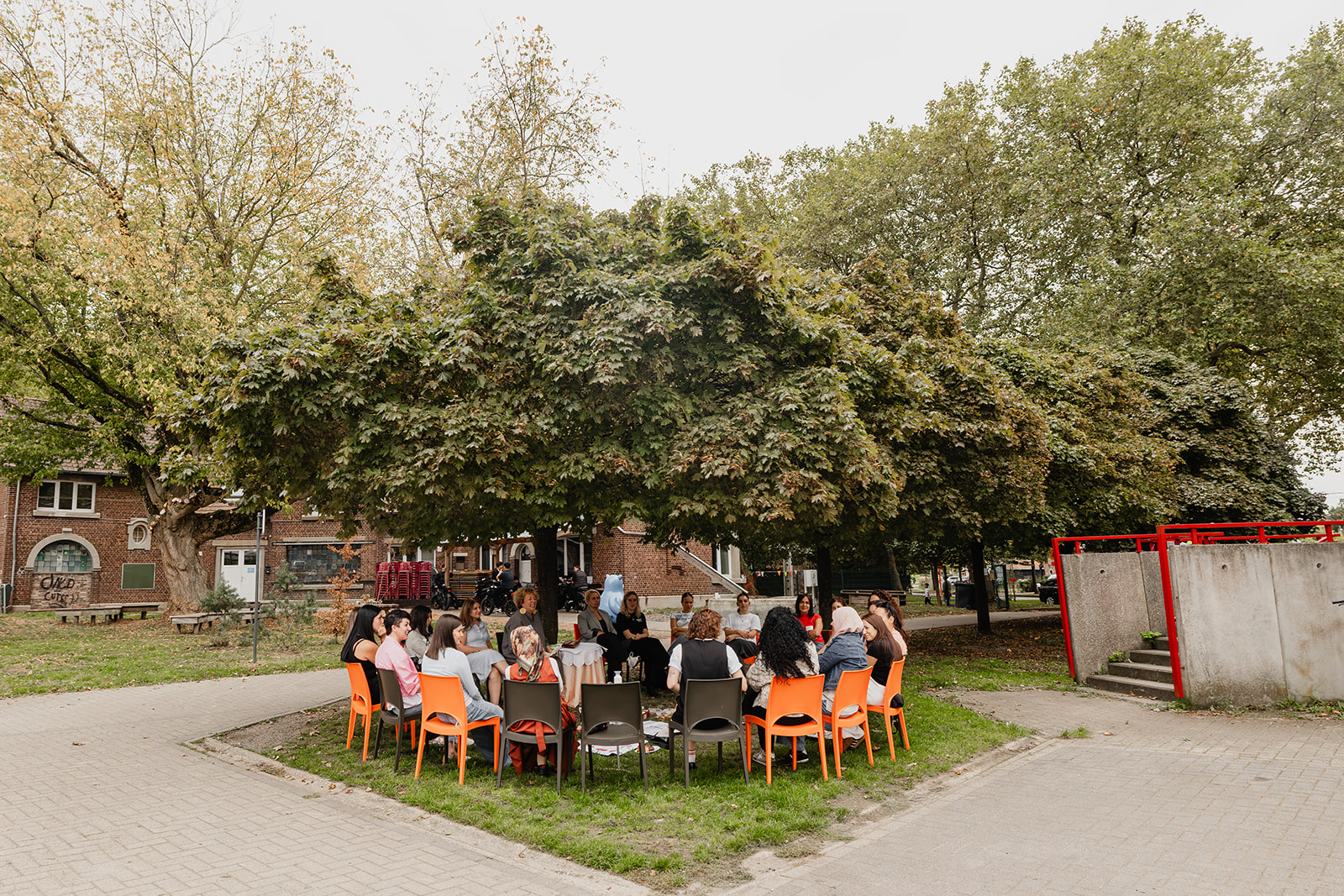
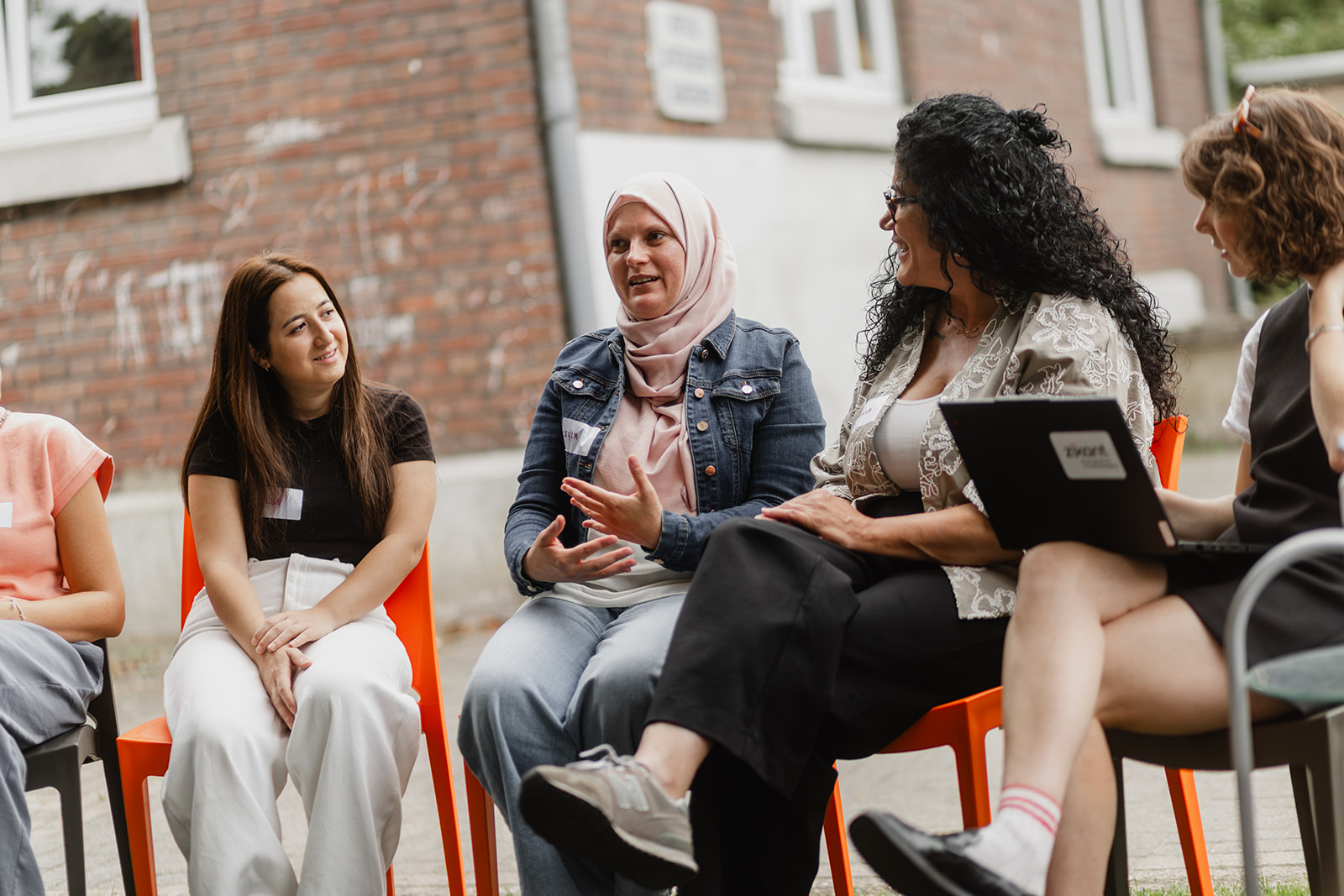
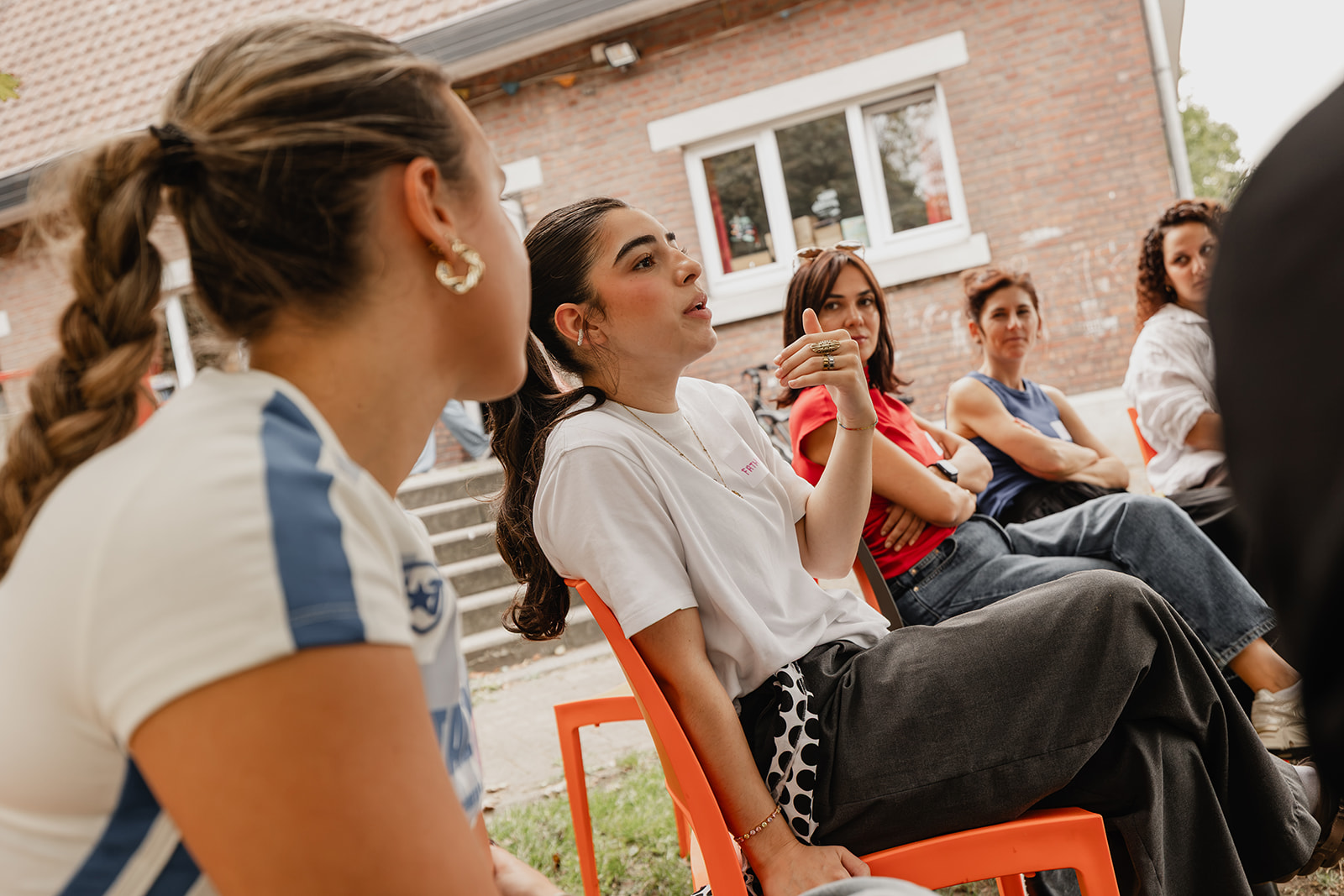
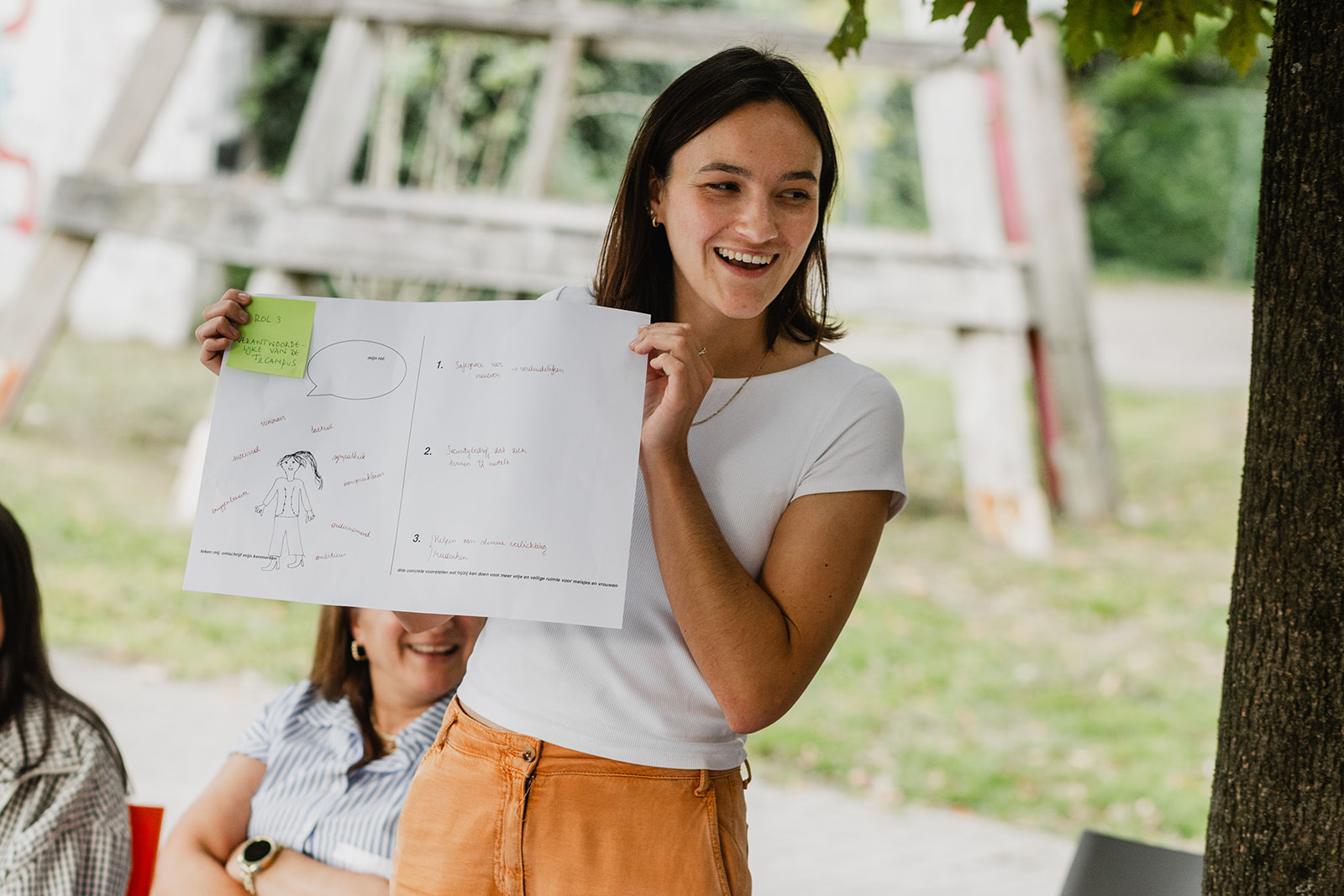
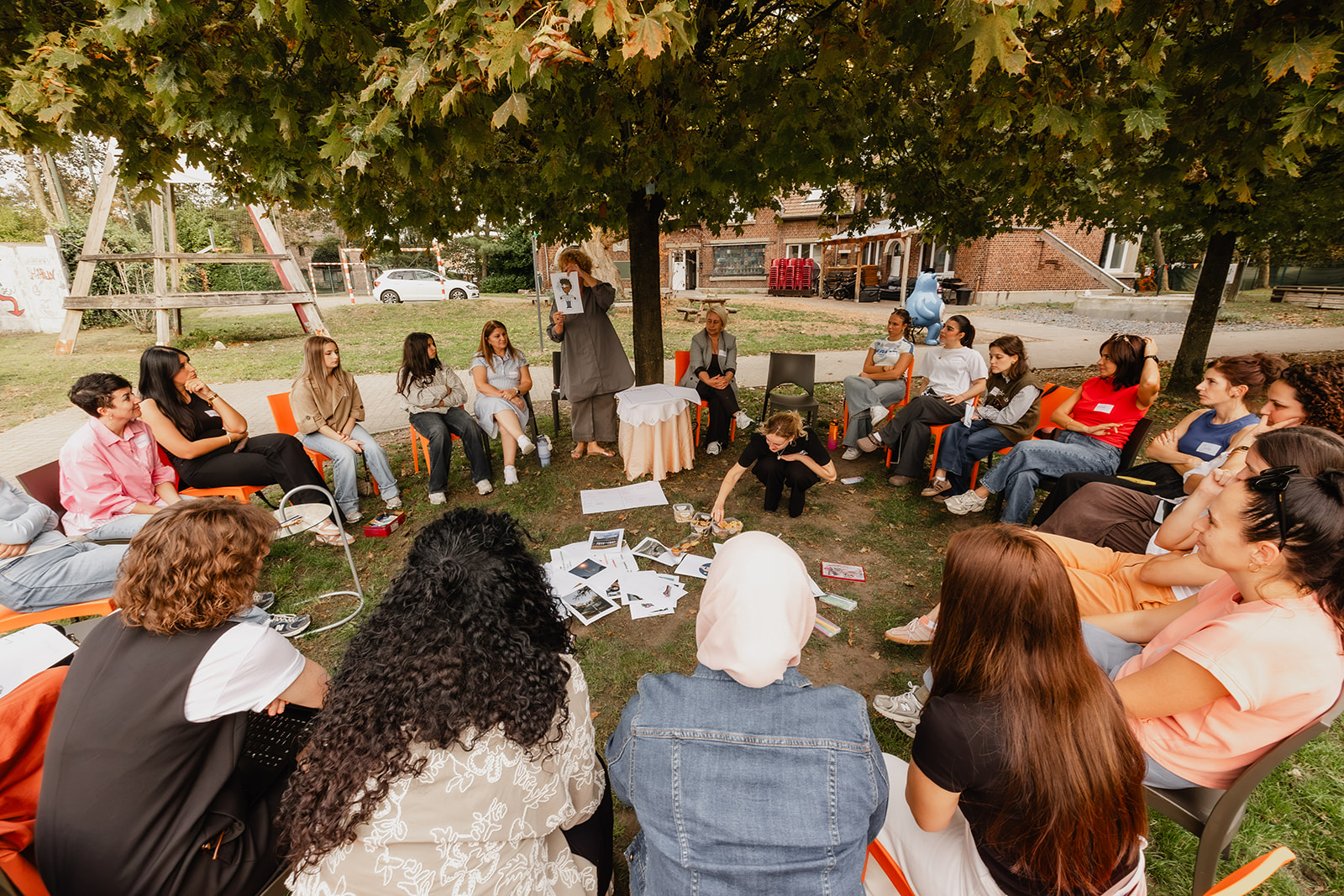
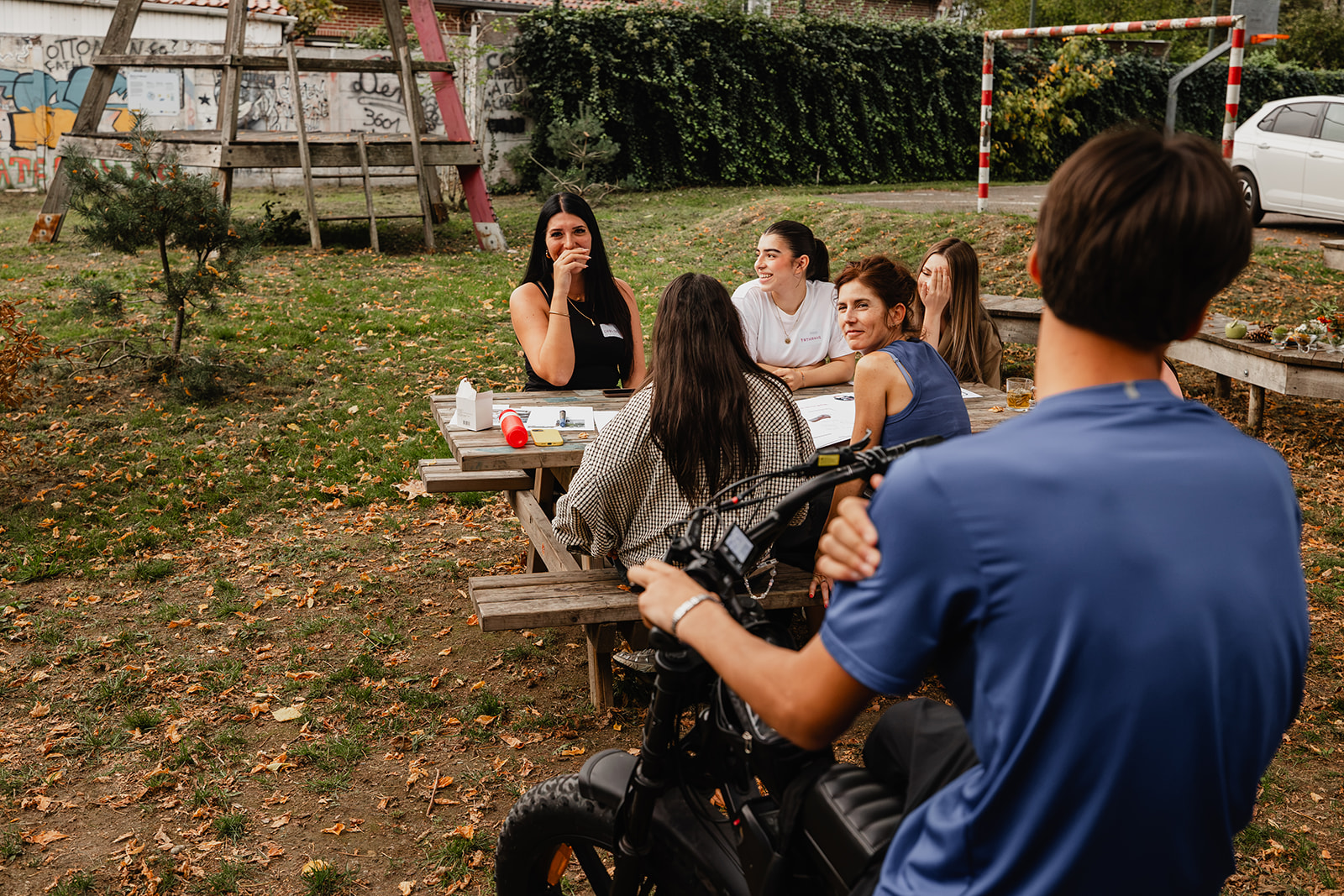
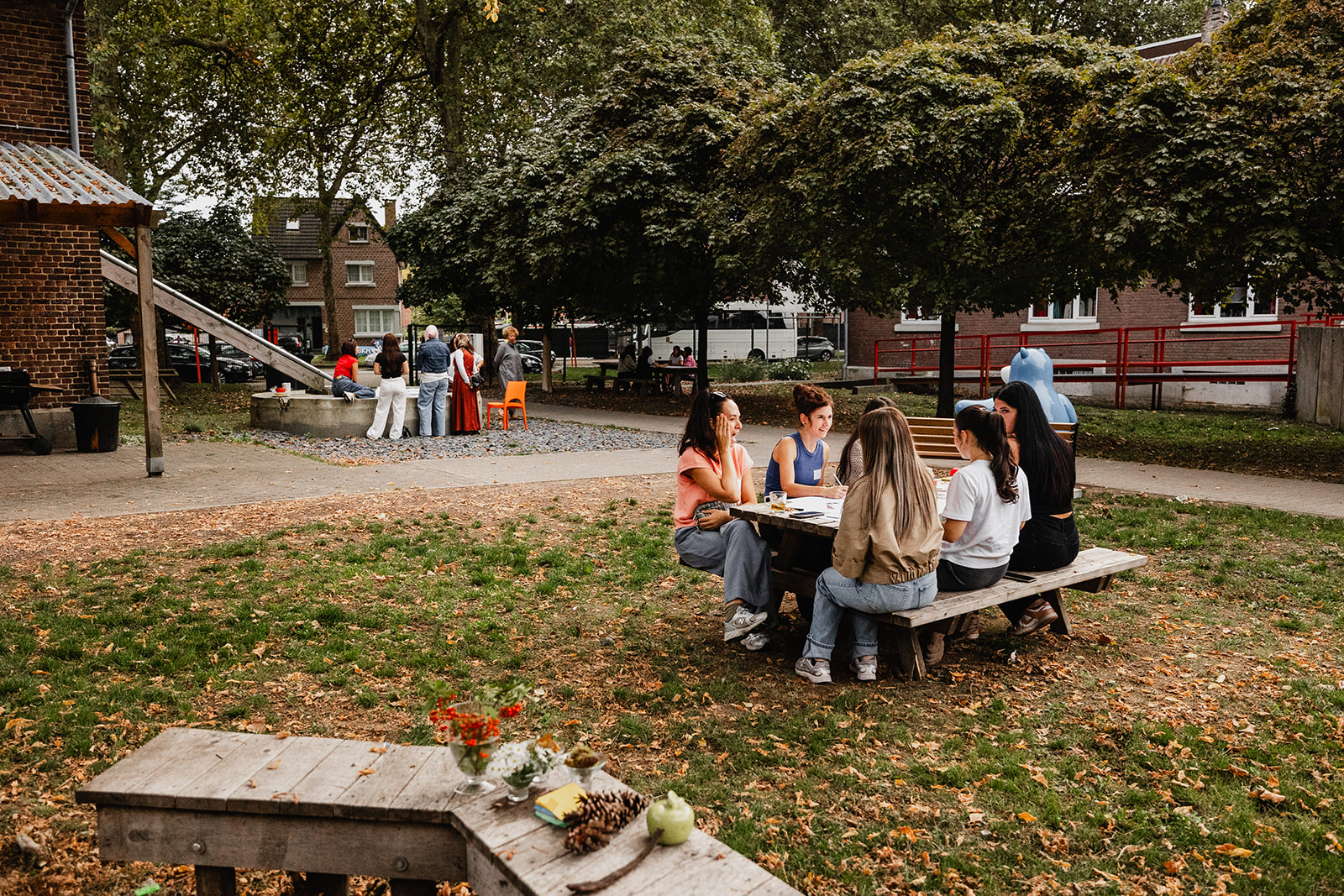
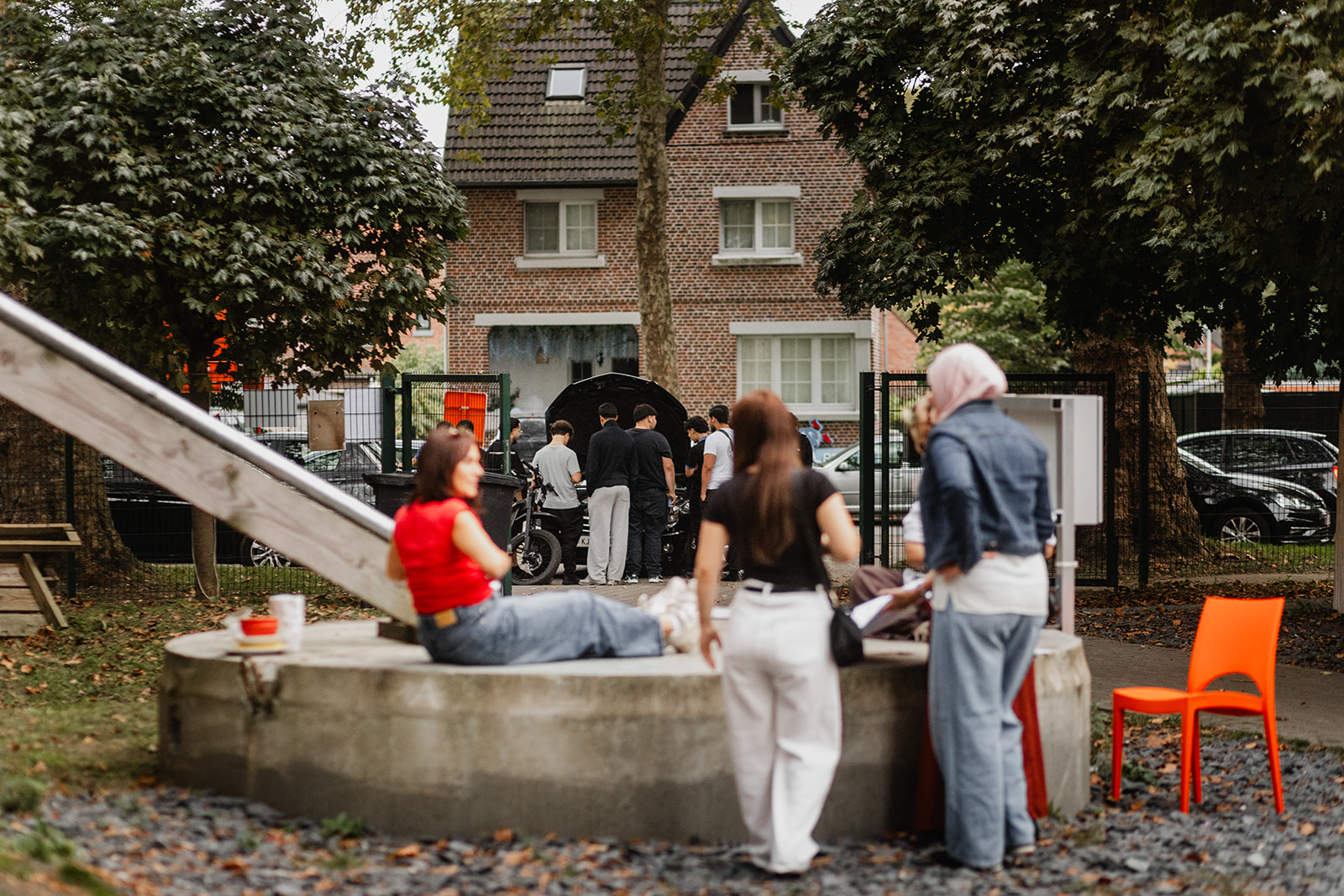
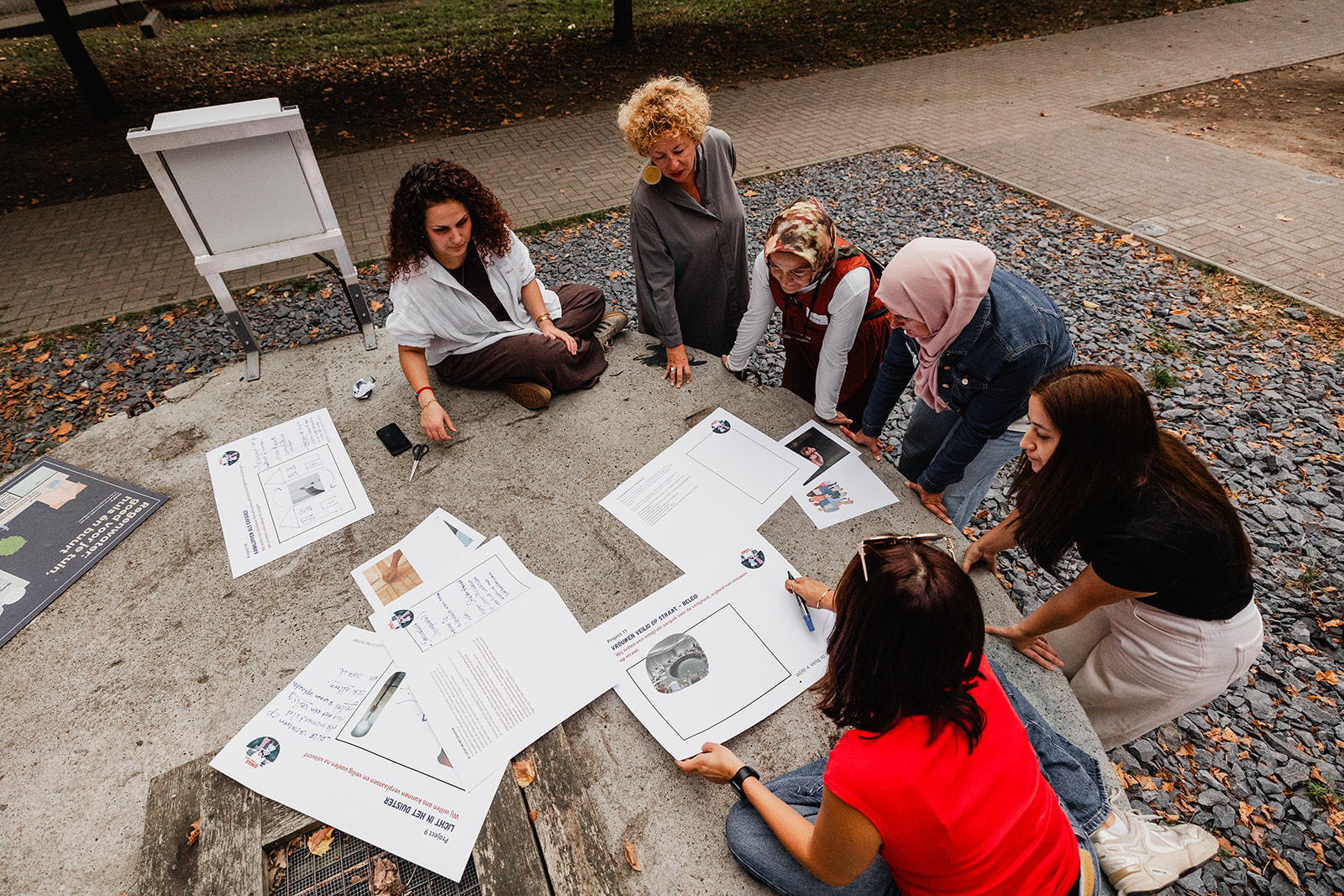
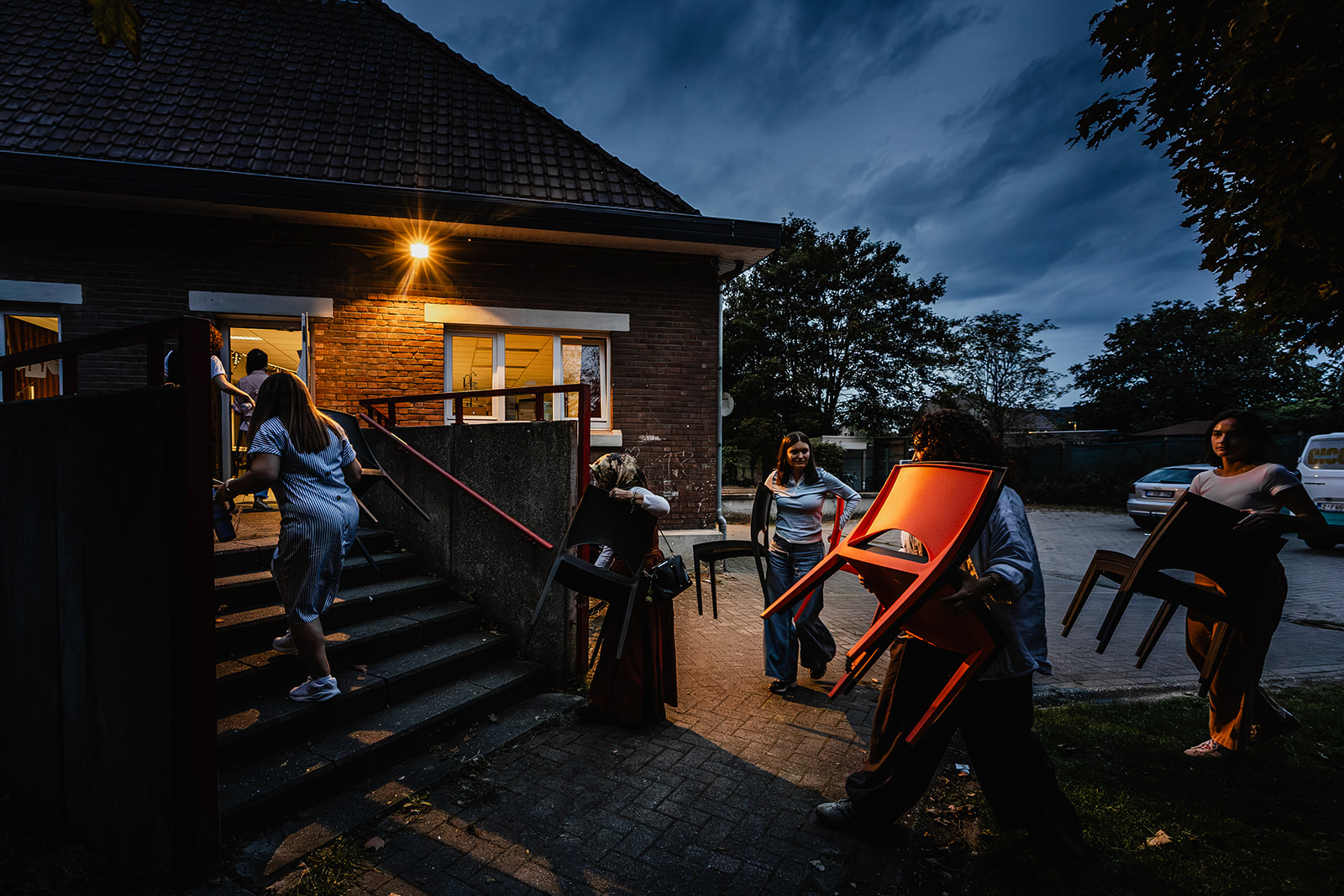
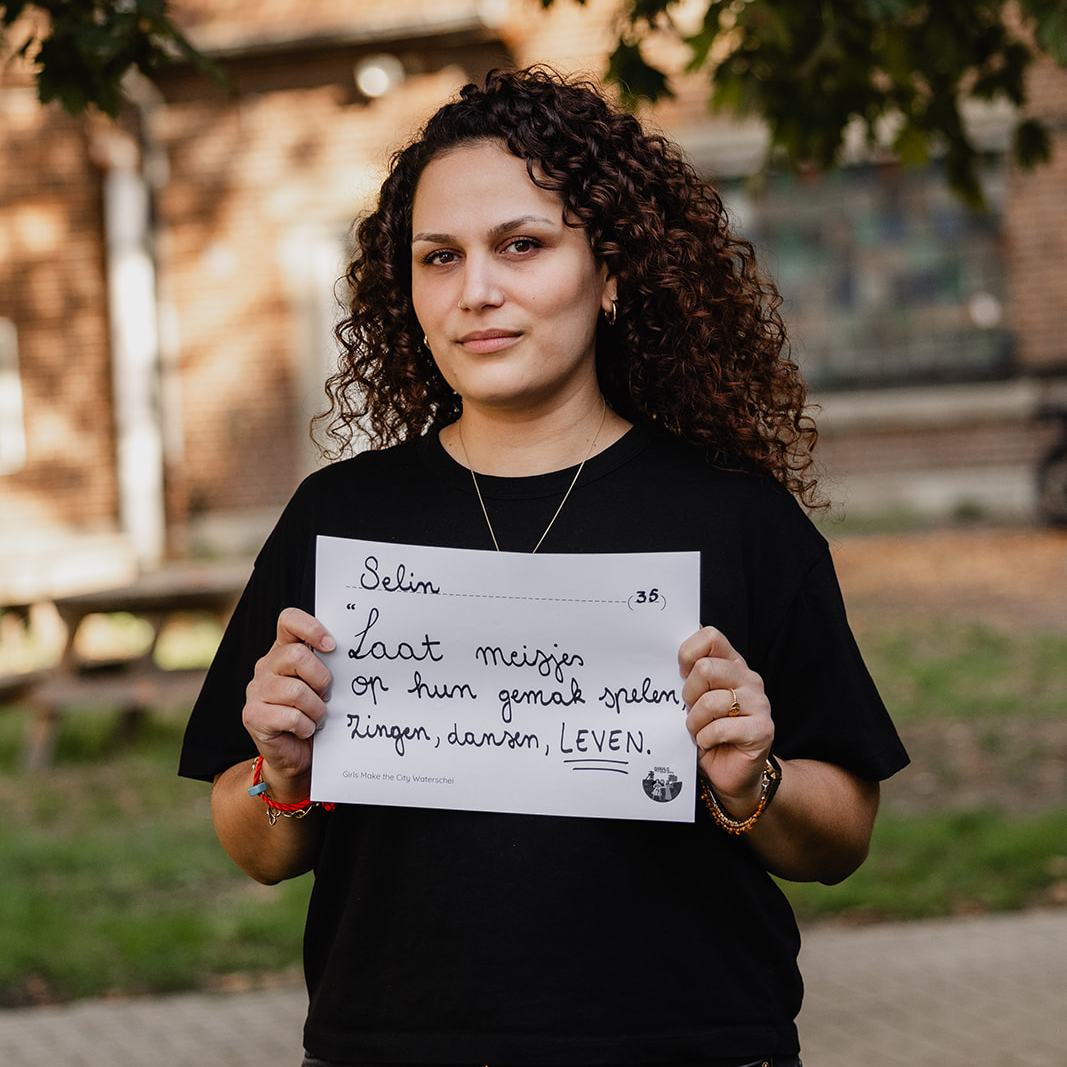
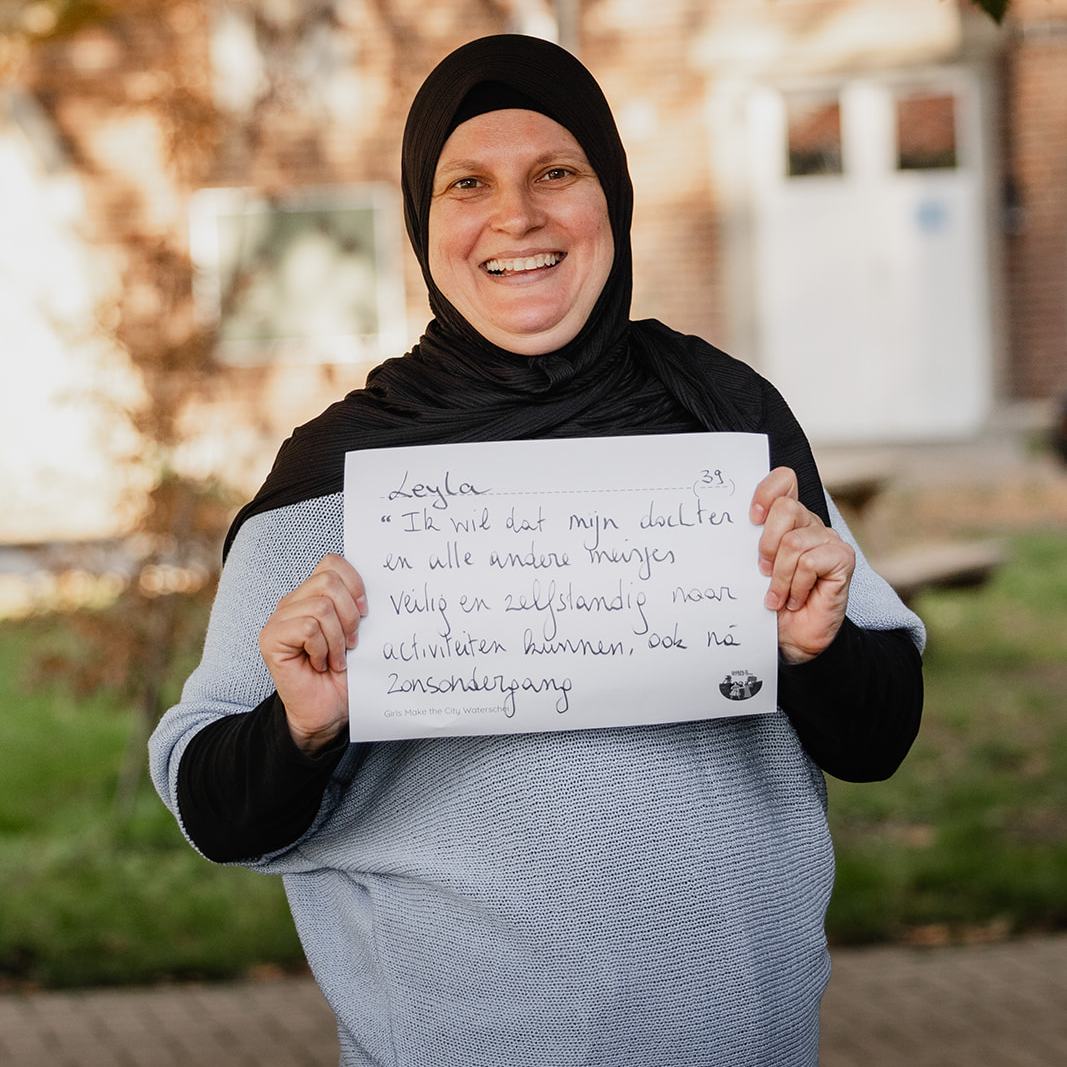
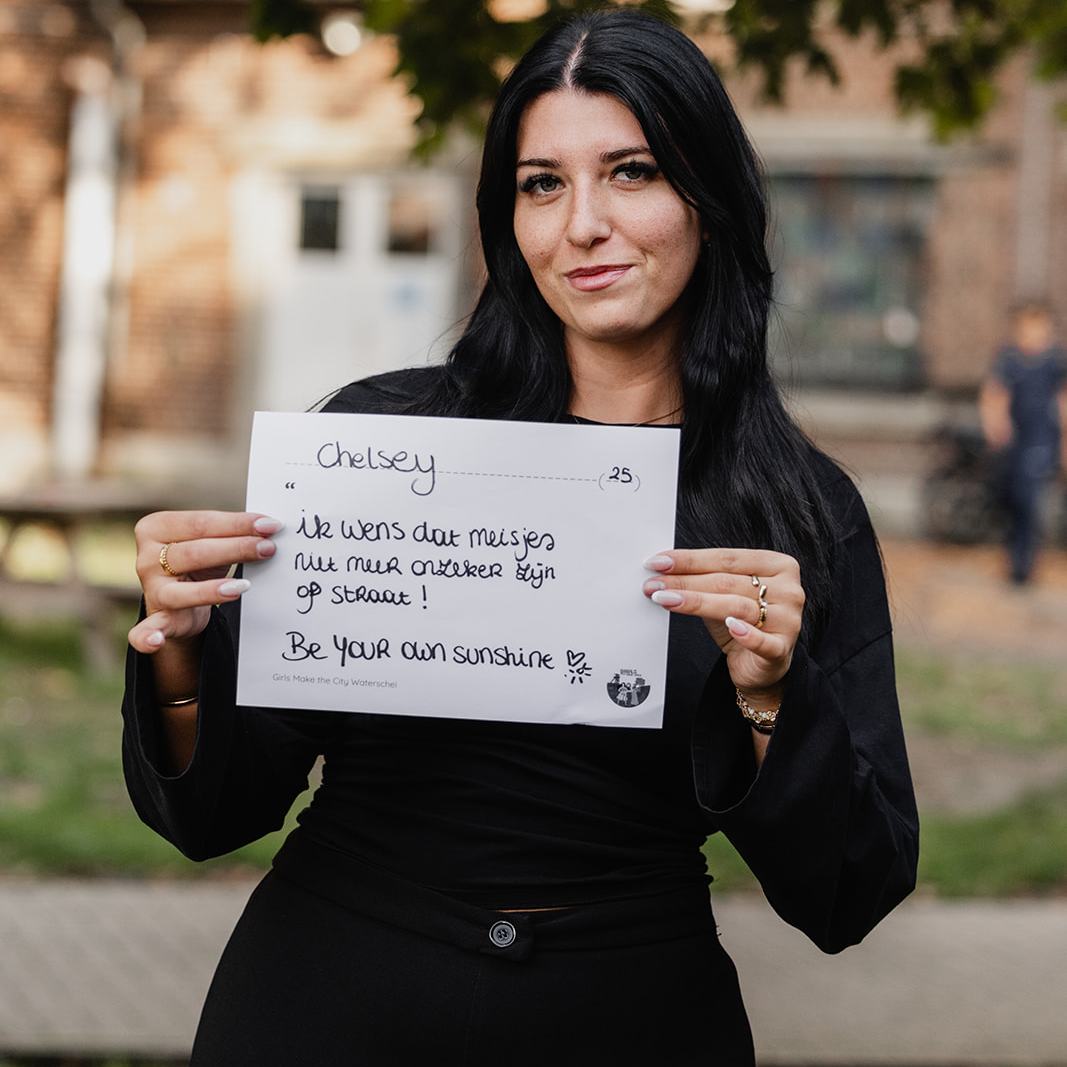
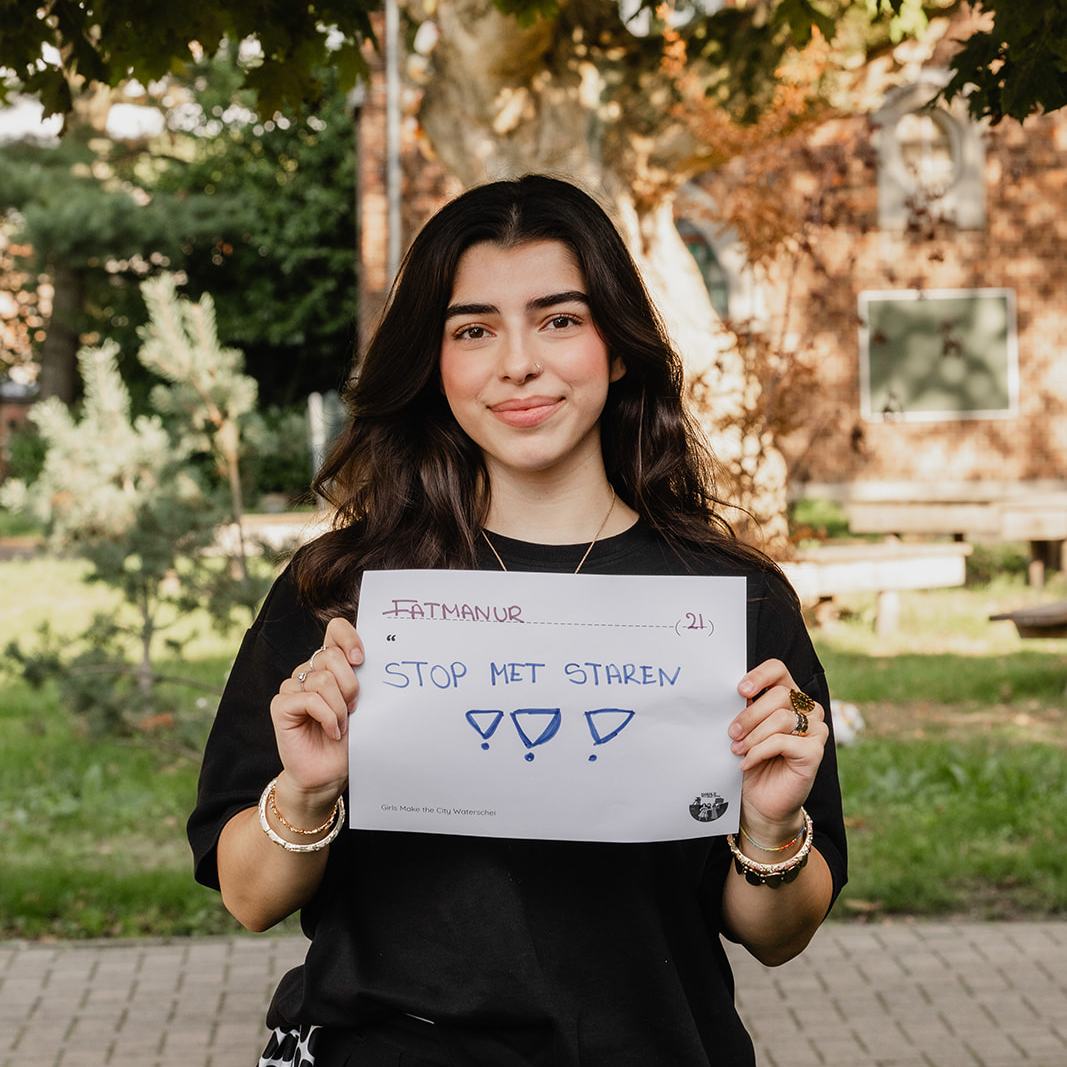
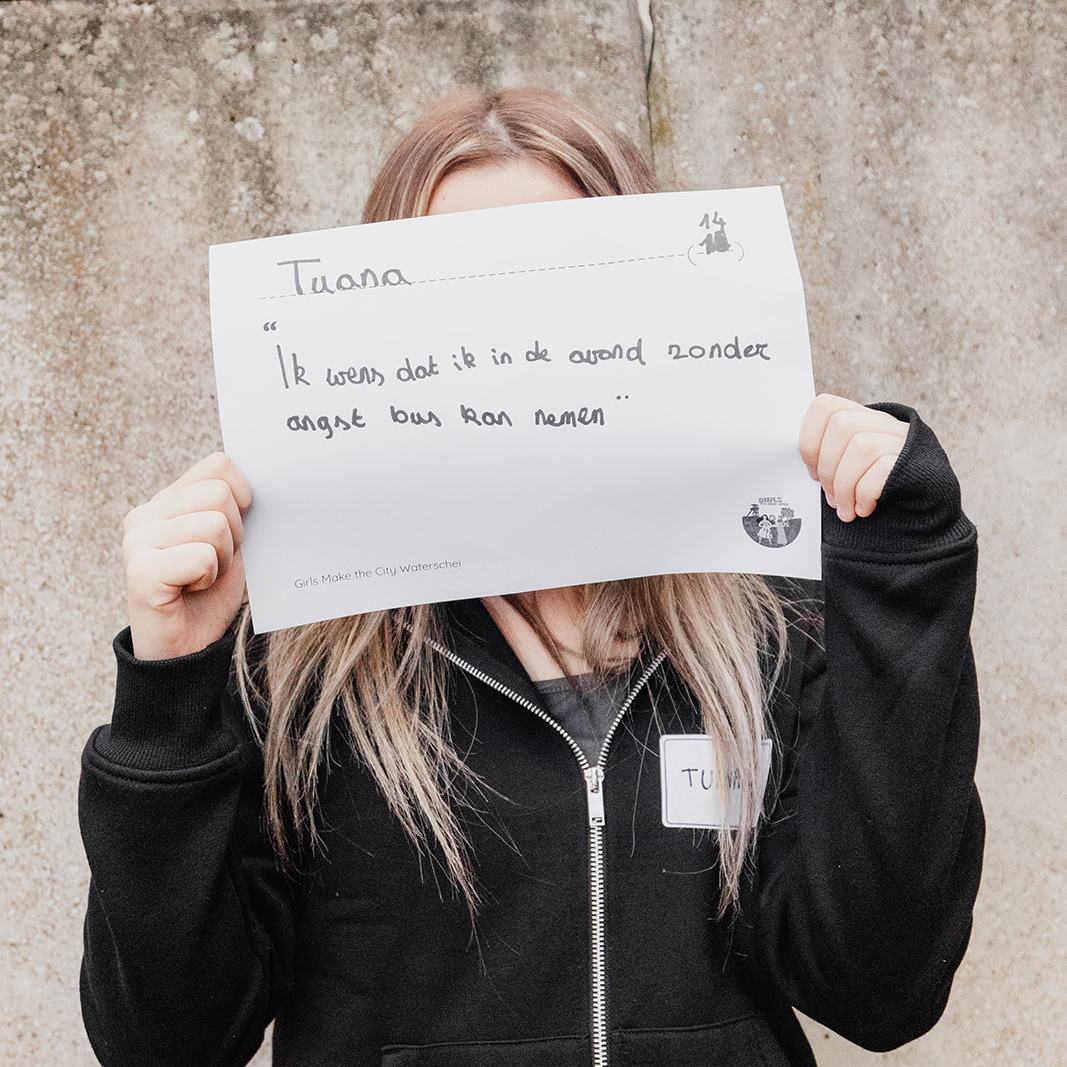
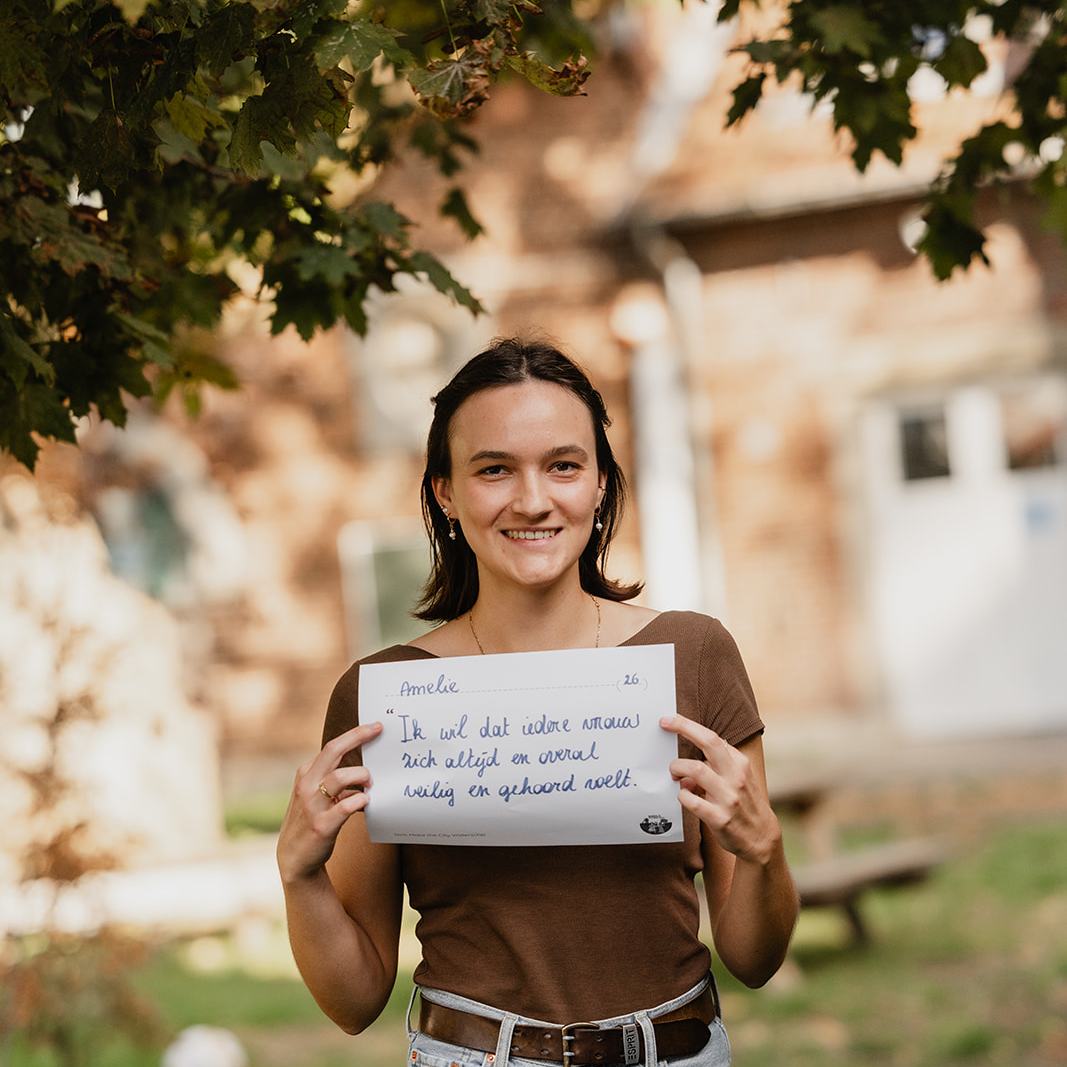
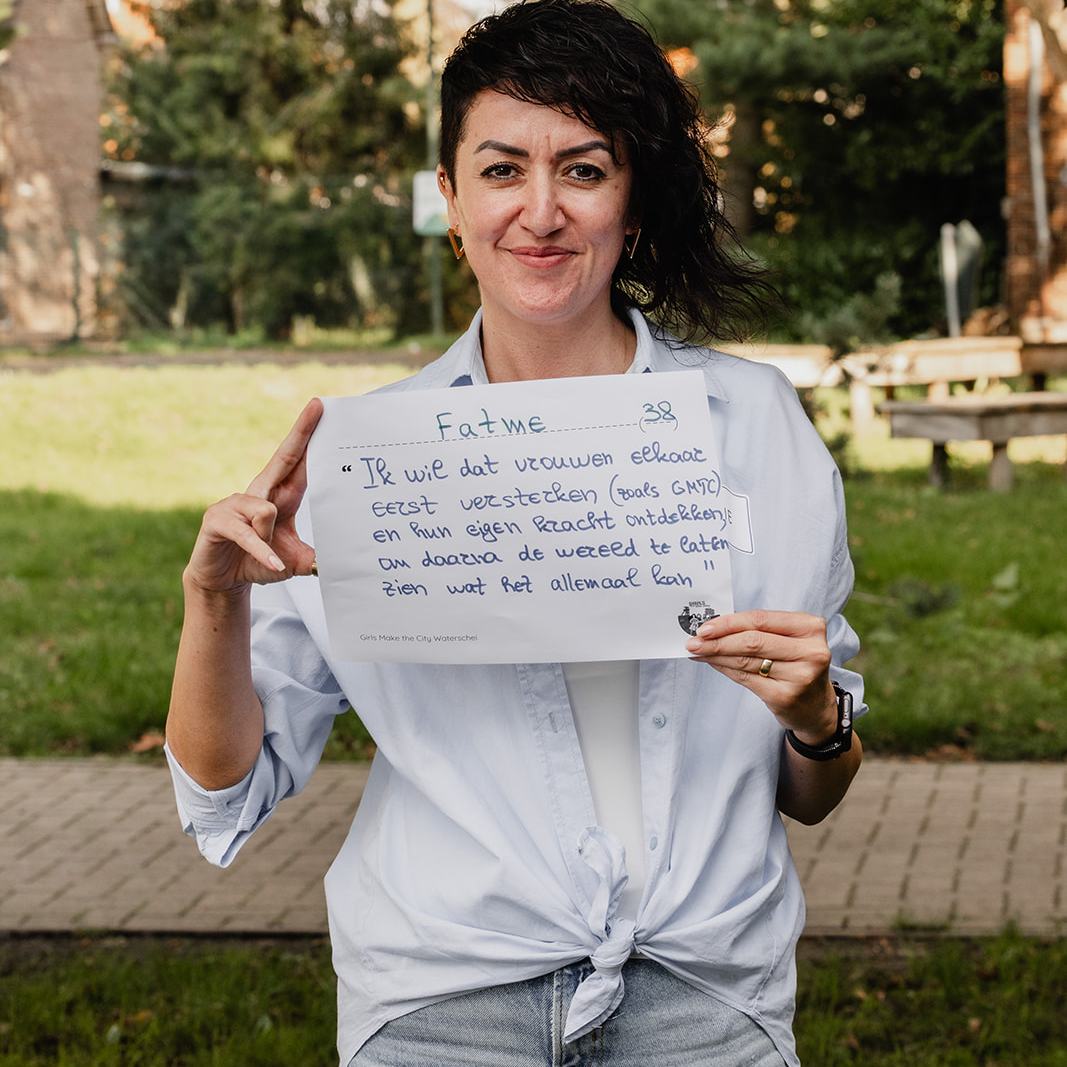
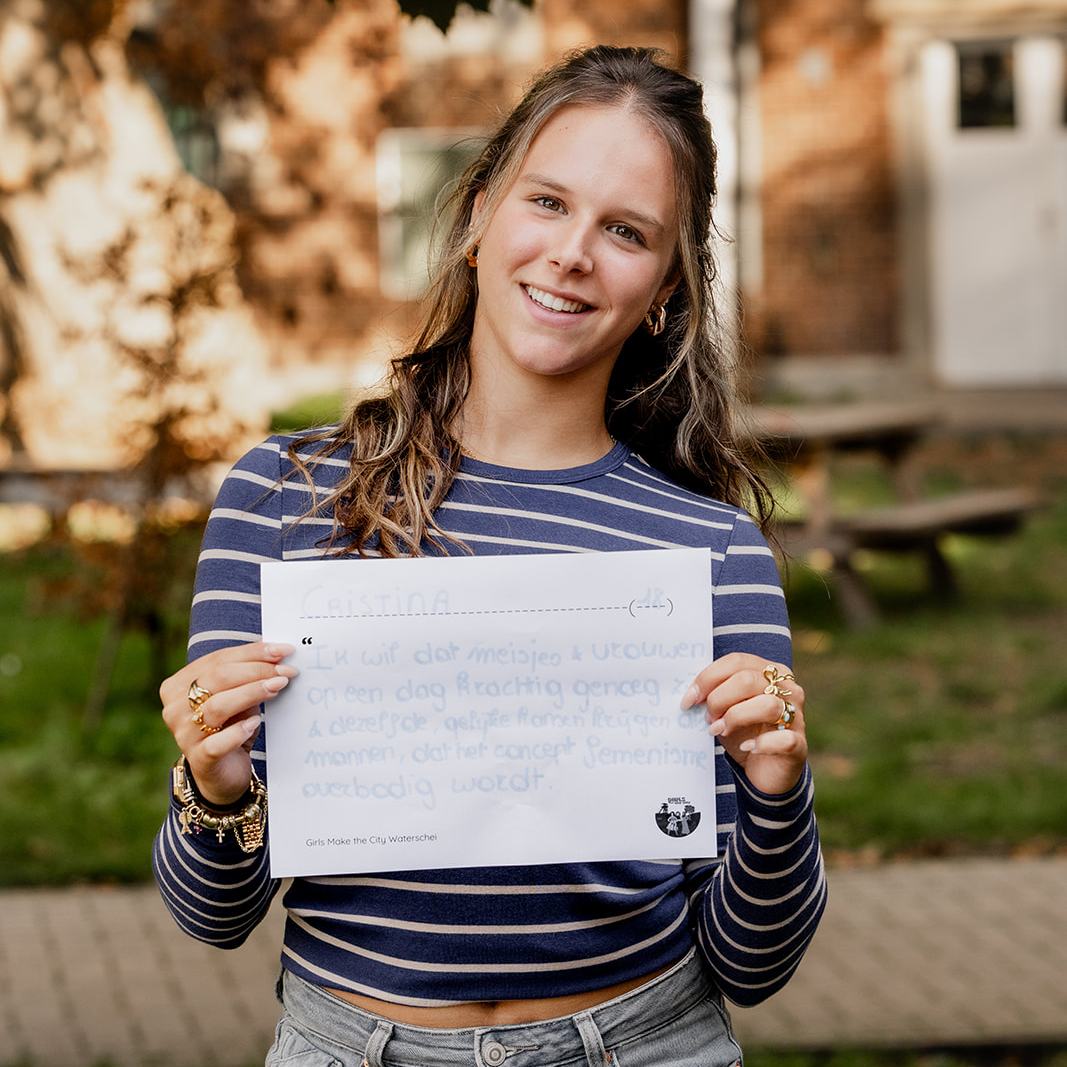
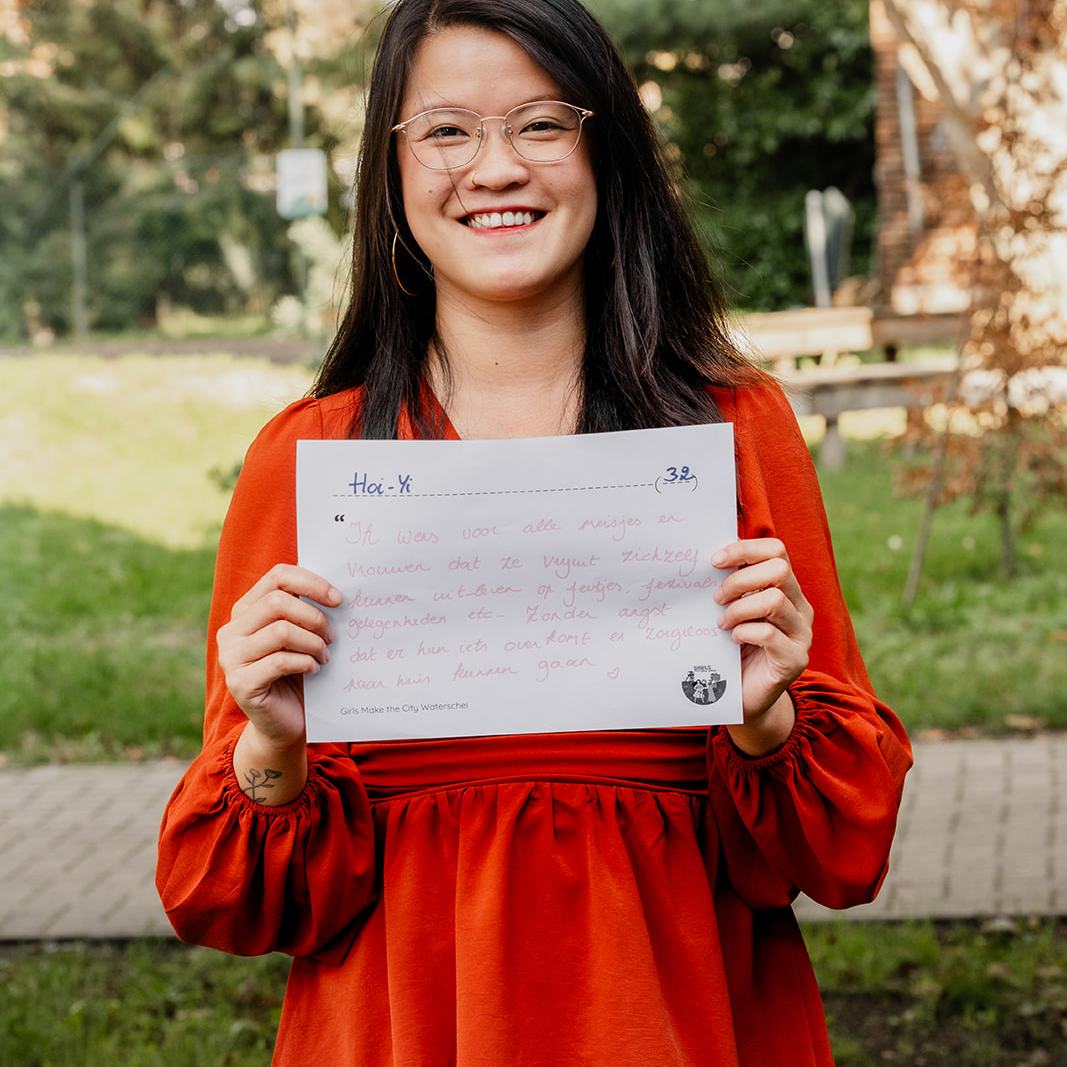
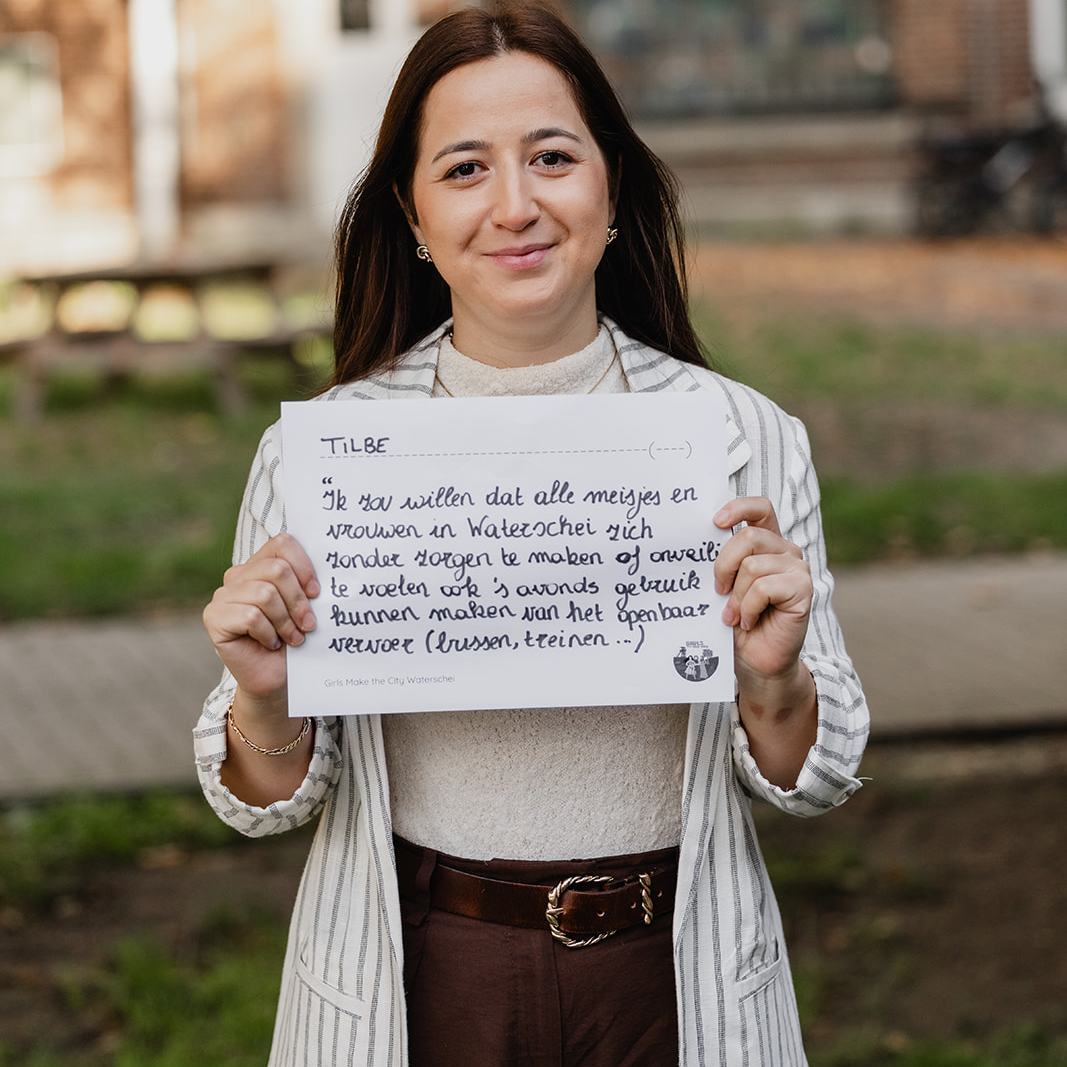
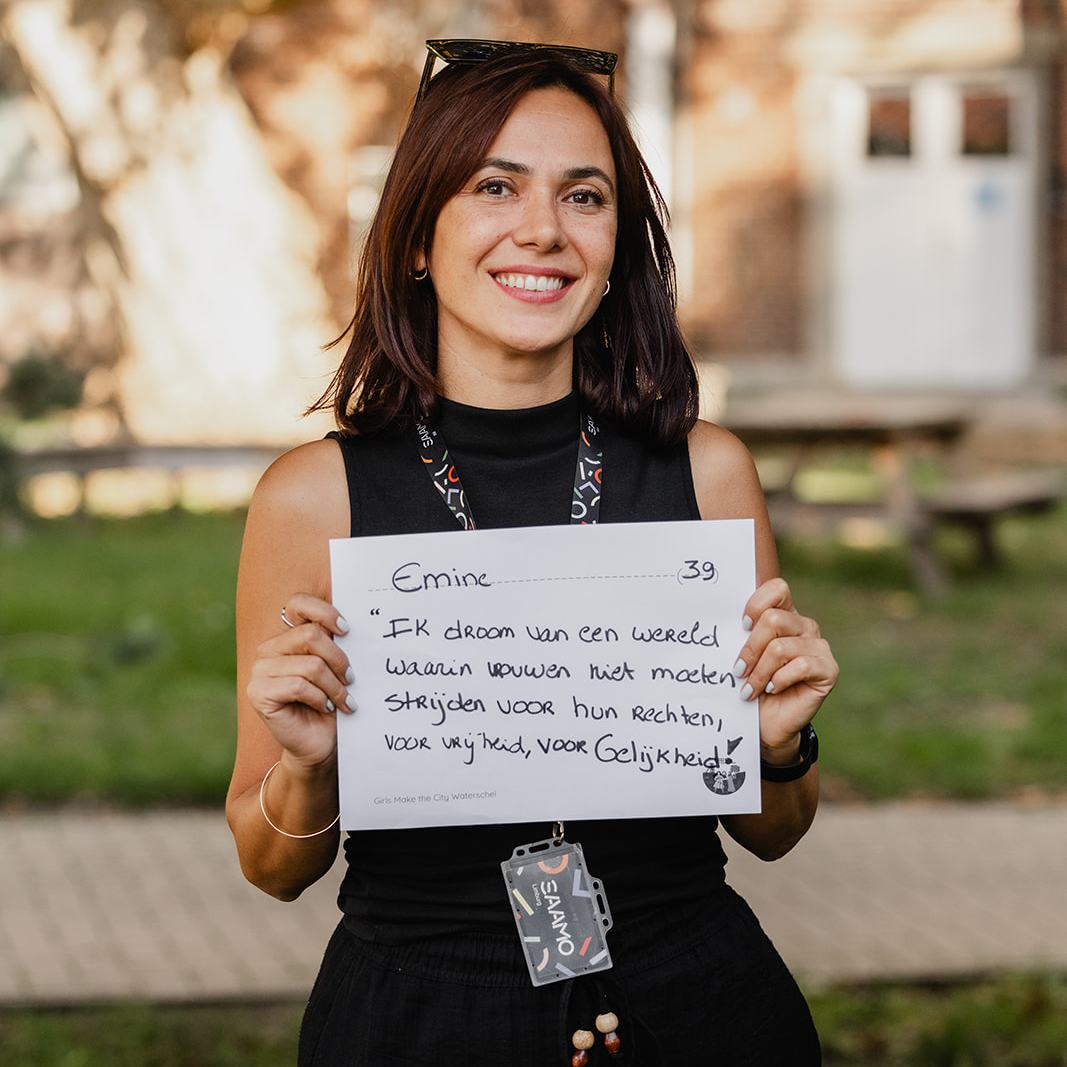
The sixth edition, in Waterschei, Genk, shows what this looks like in practice. When we asked the women and girls what thinking in terms of potential during the process did for them, their answers were strikingly consistent. It is a way of turning things around. Complaining is easy, they said, whereas this takes effort. Yet it also gives energy, a boost of motivation and a desire to discover what is possible. It helps them to imagine things better, to uncover the value of what already exists, and to see that a great deal is achievable.
This is what we mean by the power of place. It is not a backdrop to the work but its source. Because the ideas for change grow from local heritage, character and strengths, they feel recognisable and belong to the women who developed them. And because they begin from what a place can be rather than what it lacks, they invite others, including neighbours, organisations and men, to join.
After six editions, we are convinced that women’s freedom in public space is not built despite a place, but with it.
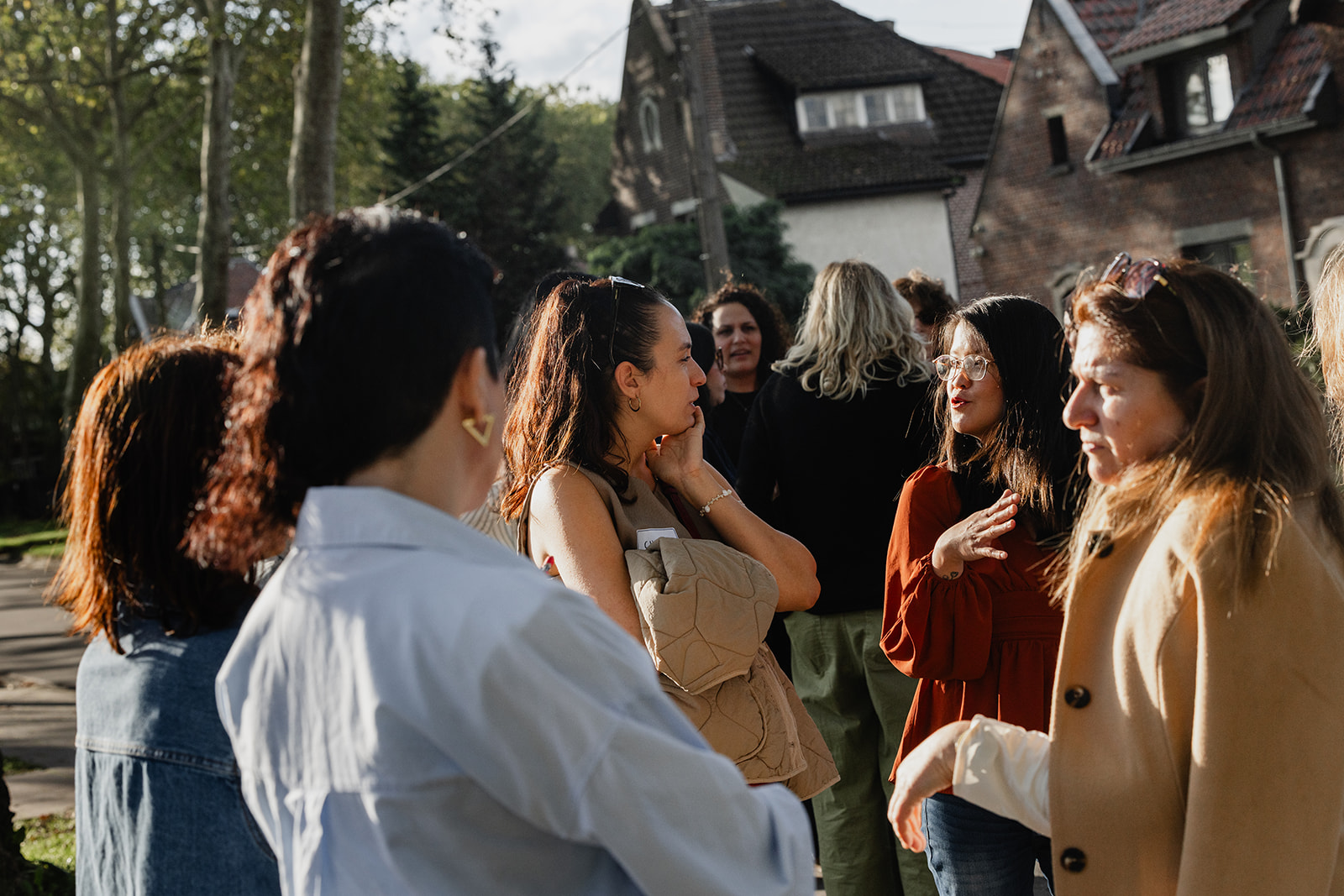
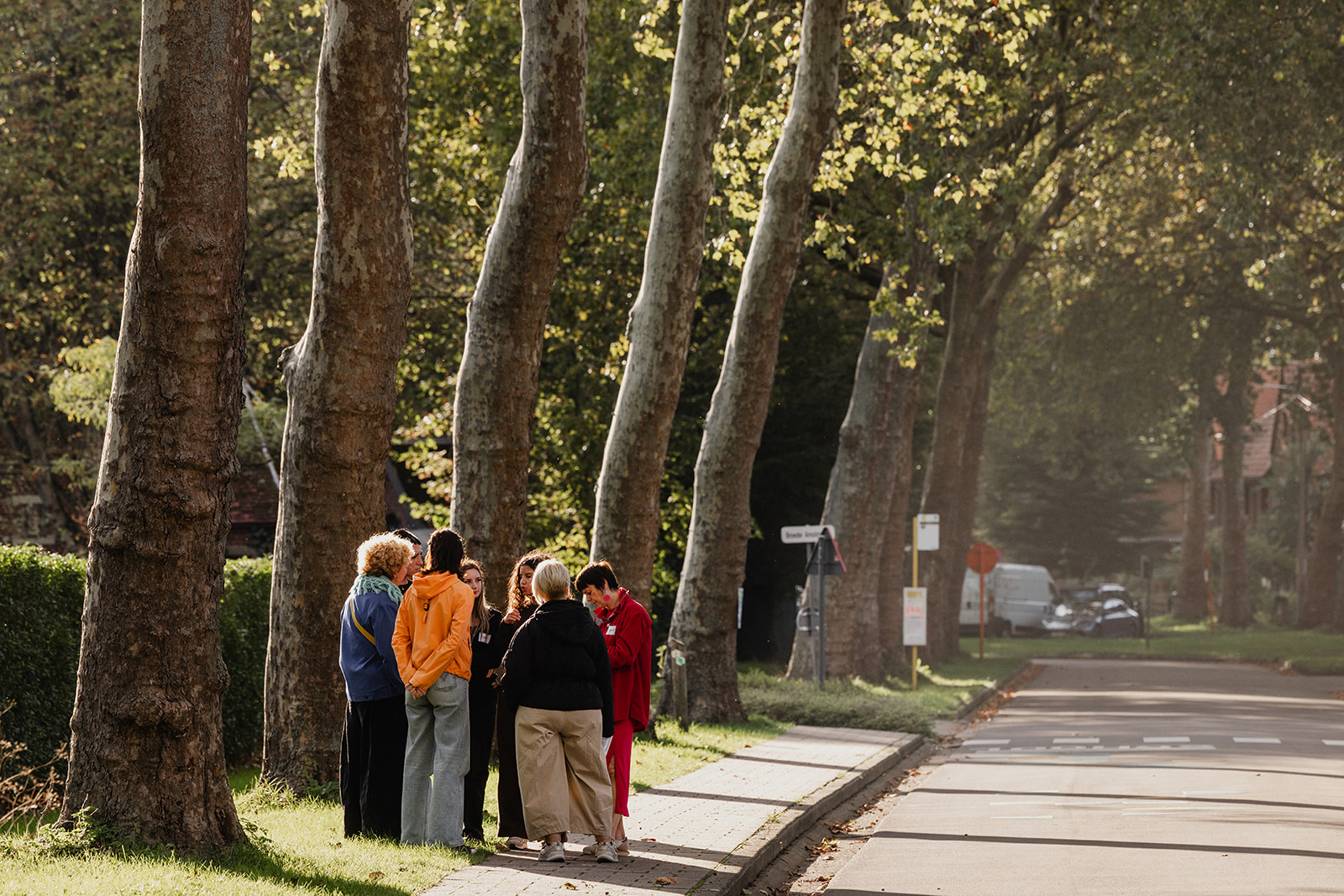
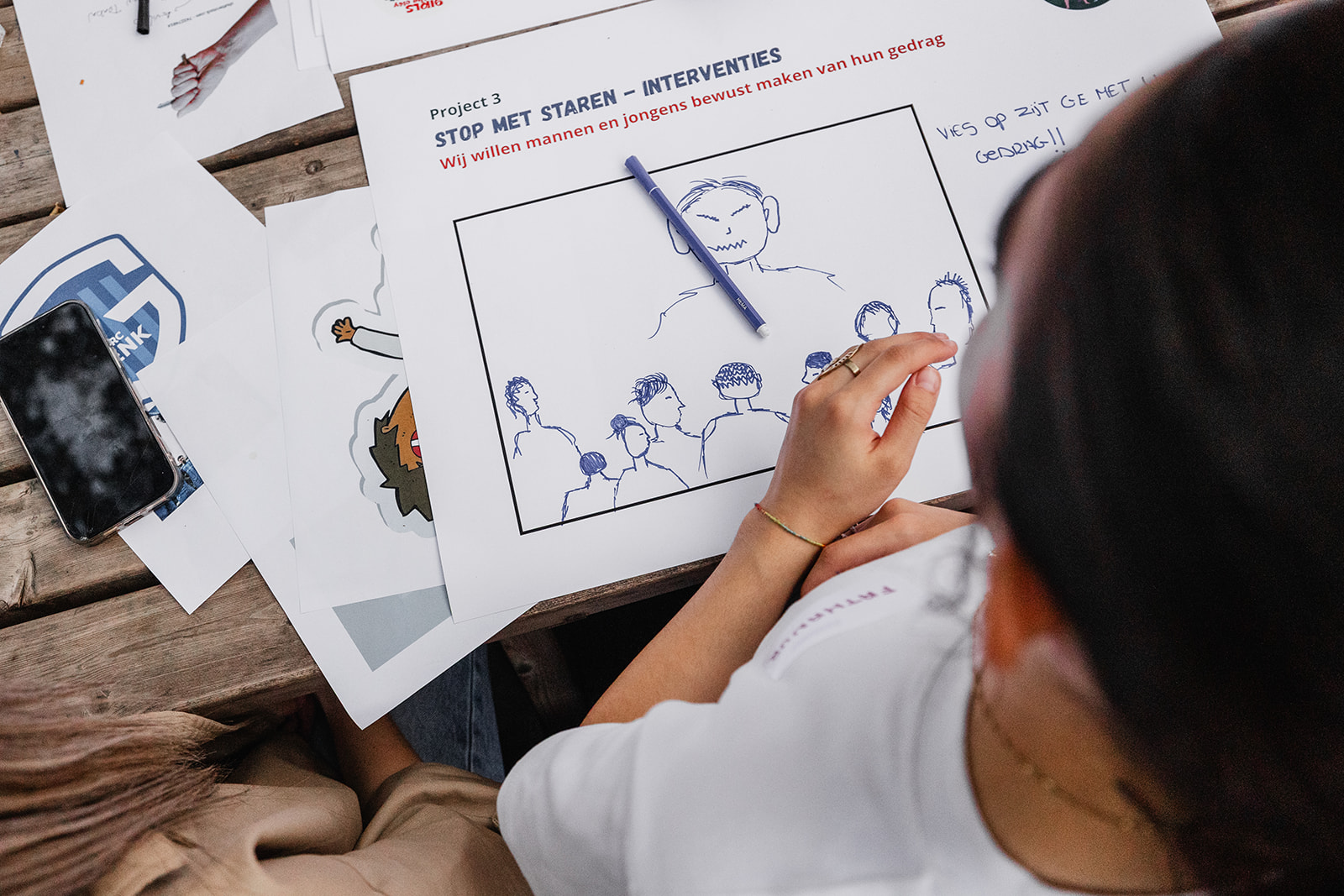
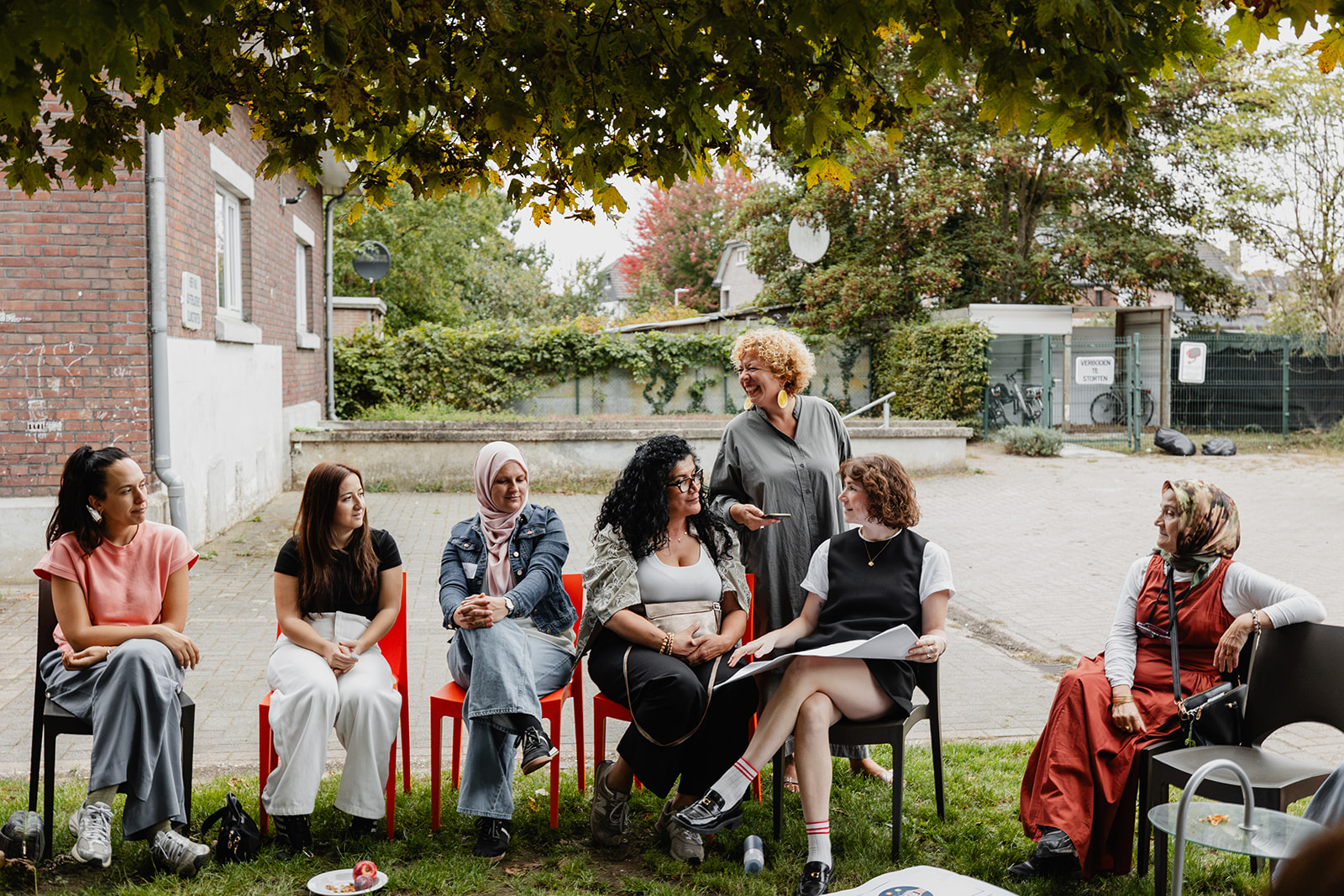
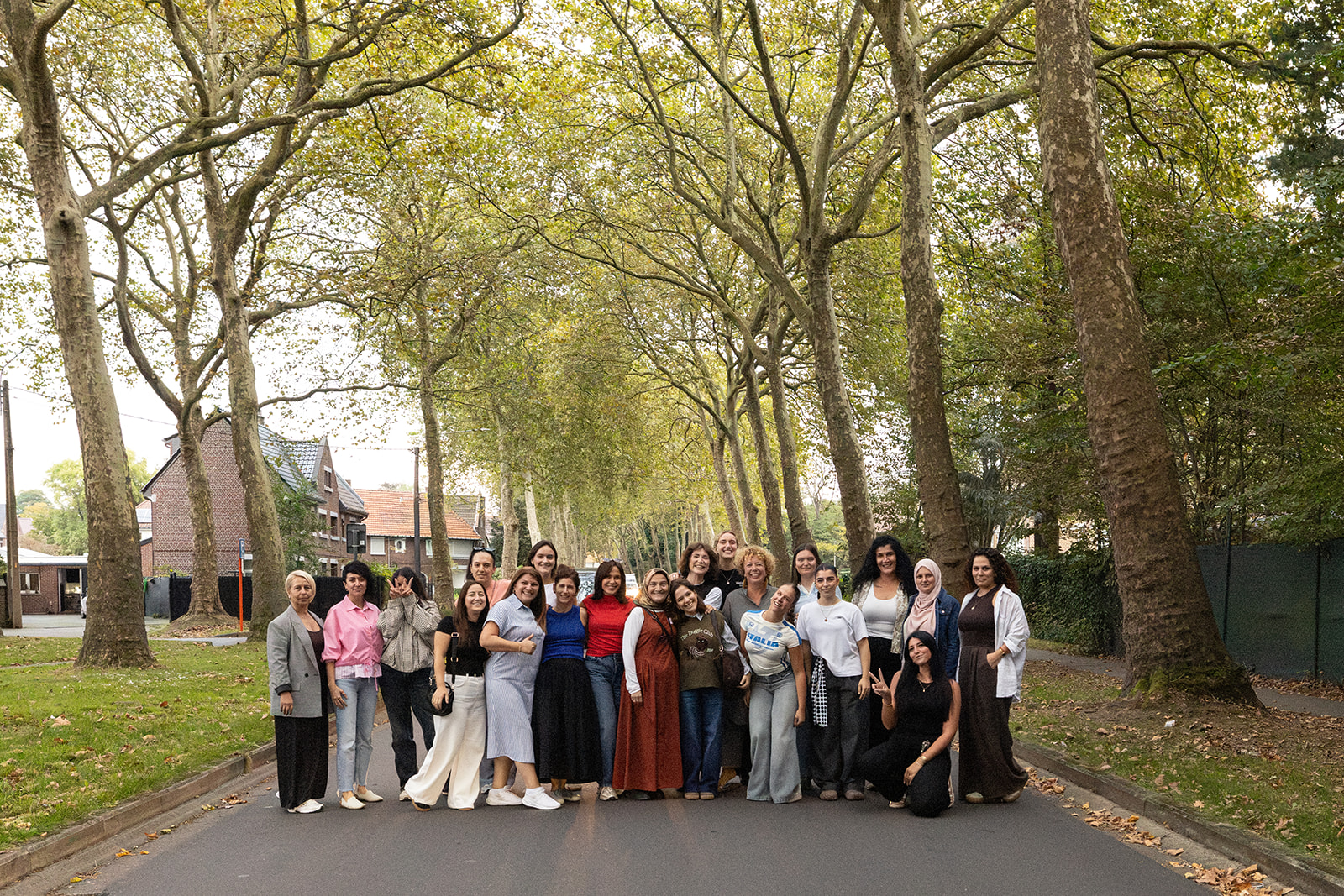
All photos are from Lynn Delbeecke taken in Waterschei in September 2026. Girls Make the City Waterschei is a collaboration between Wetopia, Zijkant, SAAMO, Gigos and T2 Campus.